Exploring Argentina’s Malbec Heartland
The Truth About…
When one thinks of Malbec, Argentina immediately springs to mind, but what is often overlooked is the remarkable diversity within its production.
The insider secret lies in the variation across different regions. From the high-altitude vineyards of Mendoza’s Uco Valley to the ancient terroirs of Salta, the terroir significantly influences the flavor profile of each bottle. Most enthusiasts make the mistake of homogenizing Argentine Malbec, missing out on the nuanced expressions that distinguish one region’s offerings from another’s.
Understanding the Landscape
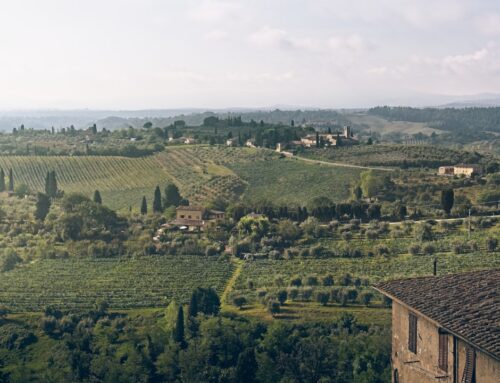
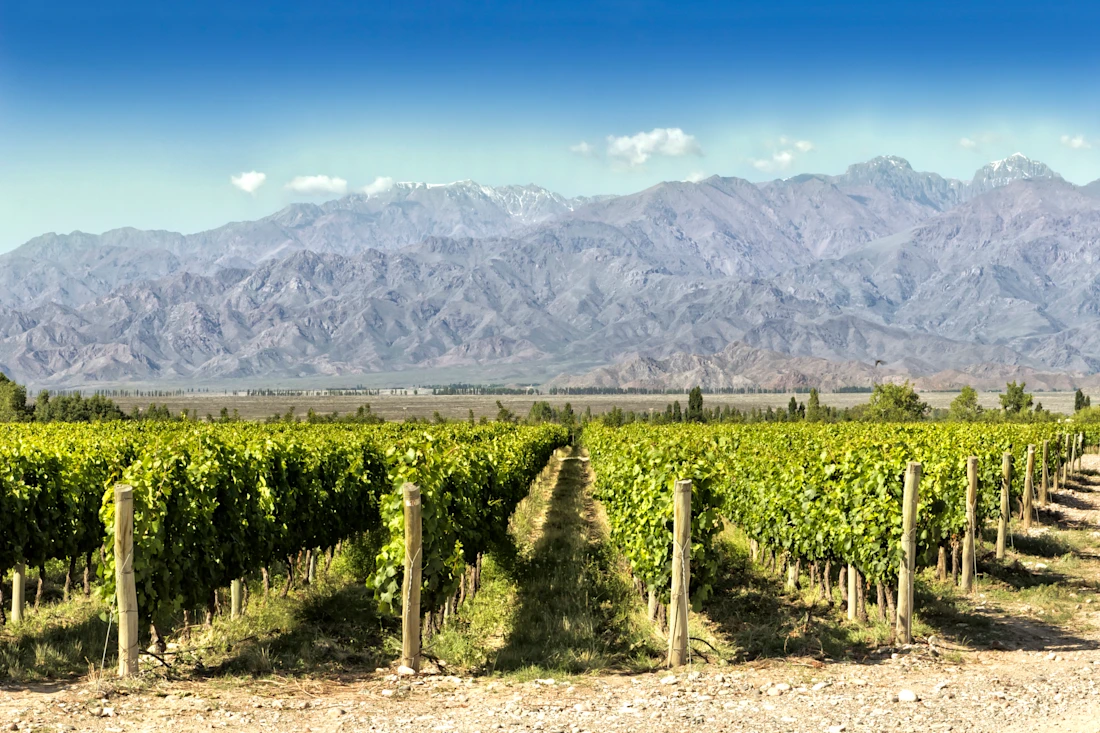
Argentina’s wine country is a mosaic of climates and soils, each with its own story and heritage. The journey of Malbec in Argentina is not just about the grape but about the convergence of culture, tradition, and innovation. Originally from France’s Cahors region, Malbec was brought to Argentina in 1853 by French agronomist Michel Pouget and found its true expression in the expansive and varied landscapes of this South American nation. The vineyards stretch from the foothills of the Andes in the west to the flat plains in the east, encapsulating an array of microclimates. This geographical diversity allows winemakers to experiment and refine their craft, contributing to the cultural significance of Malbec as Argentina’s flagship wine. Through the decades, Argentine Malbec has ascended from a blending grape to a world-class varietal, symbolizing the resilience and adaptability of the country’s wine industry.
The Essential Selection
1. Bodega Catena Zapata, Mendoza
Founded in 1902, Bodega Catena Zapata stands as proof of the evolution of Argentine Malbec. What sets it apart is its pioneering approach to understanding and utilizing high-altitude vineyards. Fourth-generation vintner Dr. Nicolás Catena Zapata revolutionized Argentine winemaking by planting the Adrianna Vineyard in Gualtallary in 1992 at nearly 5,000 feet elevation, where experts said grapes would never ripen. Today, the Adrianna Vineyard has been called the “Grand Cru of South America” and is perhaps the most studied vineyard in the world. Visitor experiences range from $100 to $150 USD per person (approximately €90-140), including tastings of rare vintages paired with regional products. In 2024, Catena Zapata was voted number one in the world at the World’s Best Vineyards ceremony.
Insider Tip: Request the Adrianna Vineyard Fortuna Terrae Malbec, which received Robb Report’s Best of the Best Argentine wine award in 2023.
2. Bodega Colomé, Salta
Established in 1831, Bodega Colomé is Argentina’s oldest continuously operating winery. Located in the upper Calchaquí Valley at over 2,000 meters above sea level, it boasts some of the highest vineyards in the world, with plantings reaching up to 3,111 meters (over 10,000 feet). Swiss entrepreneur Donald Hess acquired the estate in 2001, bringing both investment and his passion for contemporary art. The winery is home to the only museum in the world dedicated exclusively to the works of American light artist James Turrell. Under winemaker Thibaut Delmotte, the estate produces exceptional Malbecs and Argentina’s finest Torrontés from biodynamically farmed vineyards. Tour and tasting experiences with museum access can be booked directly through the winery.
Insider Tip: Stay overnight at Estancia Colomé to experience the James Turrell installations at sunset when the light effects are most dramatic.
3. Achaval-Ferrer, Mendoza
In 1998, accountant Santiago Achaval and lawyer Manuel Ferrer decided that their hearts belonged to wine, not their day jobs. Together with Italian winemaker Roberto Cipresso, they launched a winery that secured vineyards with vines over a century old. These ungrafted, pre-phylloxera vines have roots stretching deep into the soil, yielding grapes with extraordinary concentration and complexity. Renowned for producing some of Mendoza’s most elegant and expressive Malbecs, Achaval-Ferrer focuses on low-yield, high-quality wines. Their three ‘Finca’ single-vineyard Malbecs (Bella Vista, Mirador, and Altamira) showcase the overlooked nuances of Mendoza terroir at different altitudes.
Insider Tip: Try their Quimera, a sophisticated Bordeaux-style blend of five grape varieties (Malbec, Cabernet Sauvignon, Cabernet Franc, Merlot, and Petit Verdot) that demonstrates the region’s versatility beyond pure Malbec.
4. Alfa Crux (formerly O. Fournier), Uco Valley
Set against the striking backdrop of the Andes, this winery is a modern architectural marvel known for its gravity-flow design that minimizes the use of pumps. Originally founded by the Spanish Ortega Gil-Fournier family in 2000 as Bodegas O. Fournier, the estate was acquired by the Argentine-Canadian Agostino family in 2018 and renamed Alfa Crux. The winery combines avant-garde design with sustainable practices, featuring vineyards at elevations around 1,100 meters in the prestigious Uco Valley. The estate produces both single-varietal Malbecs and innovative blends that incorporate Tempranillo, reflecting its Spanish heritage.
Insider Tip: Try the Alfa Crux Malbec from the estate’s highest vineyard blocks for wines with exceptional freshness and aromatic complexity.
5. El Enemigo, Mendoza
This boutique winery embodies the soulful, innovative side of Argentine winemaking. Founded in 2007 by winemaker Alejandro Vigil (head winemaker at Catena Zapata since 2002) and historian Adrianna Catena (daughter of Nicolás Catena), El Enemigo was conceived during a twilight stroll along the River Thames after Nicolás Catena received the Decanter Man of the Year Award in 2009. The winery’s name means “The Enemy,” referring to the internal battles that define us. While most Argentine wineries focus on Malbec, El Enemigo has earned international acclaim for its exceptional Cabernet Franc, with Robert Parker’s Wine Advocate awarding their Gran Enemigo Cabernet Franc Gualtallary a perfect 100 points. Visitors can dine at Casa Vigil, the estate restaurant run by Alejandro and his wife María, offering three, seven, and nine-course tasting menus paired with the full portfolio of El Enemigo wines.
Insider Tip: Don’t miss the Gran Enemigo single-vineyard Cabernet Francs from Gualtallary and Chacayes, both of which have received near-perfect scores from major critics.
Expert Strategies
Booking a luxury culinary tour in Argentina’s Malbec regions requires a mix of forward planning and insider knowledge. Direct bookings with wineries often provide more personalized experiences, while networks like Virtuoso or American Express Fine Hotels & Resorts can provide additional perks and exclusive access. The best times to visit are during the harvest months of February through April, or the blossoming period of October and November. Since 2024, tasting prices in Mendoza have risen significantly and are now comparable to Napa Valley or European wine regions, so budget accordingly. Combining visits to several wineries across different regions, including both the Uco Valley and Luján de Cuyo, offers a comprehensive understanding of Argentina’s Malbec diversity. Consider hiring a private driver, as generous pours are the norm and the roads between wineries can be challenging.
Making Your Choice
Choosing the right winery or tour depends on your personal preferences. For those deeply interested in the science and innovation behind wine production, Catena Zapata and its Catena Institute of Wine offer cutting-edge insights into high-altitude viticulture. If you’re drawn to the stories and people behind the wine, El Enemigo and Achaval-Ferrer provide intimate glimpses into the passion that fuels Argentina’s Malbec culture. For art lovers, Bodega Colomé’s combination of historic winemaking and the James Turrell Museum makes for an unforgettable experience, despite its remote location requiring a 3-4 hour drive from Salta.
Embarking on a luxury culinary tour through Argentina’s Malbec heartland is more than a journey through vineyards; it’s an exploration of history, innovation, and the enduring spirit of Argentine wine culture. With each sip, you’re not just tasting wine; you’re experiencing the essence of a nation that has made Malbec its own.