Luxury Spa Iceland and the Northern Lights: 2026 Guide
Iceland has become a two-track destination. The mass market lands at Keflavik for the standard Golden Circle and Blue Lagoon day pass. The luxury market goes north or stays private, paying for empty landscapes, geothermal water you do not share with a crowd, and a fighting chance at the aurora away from cities. Two properties define the top of this market and the rest is supporting cast.
The two properties that anchor luxury Iceland
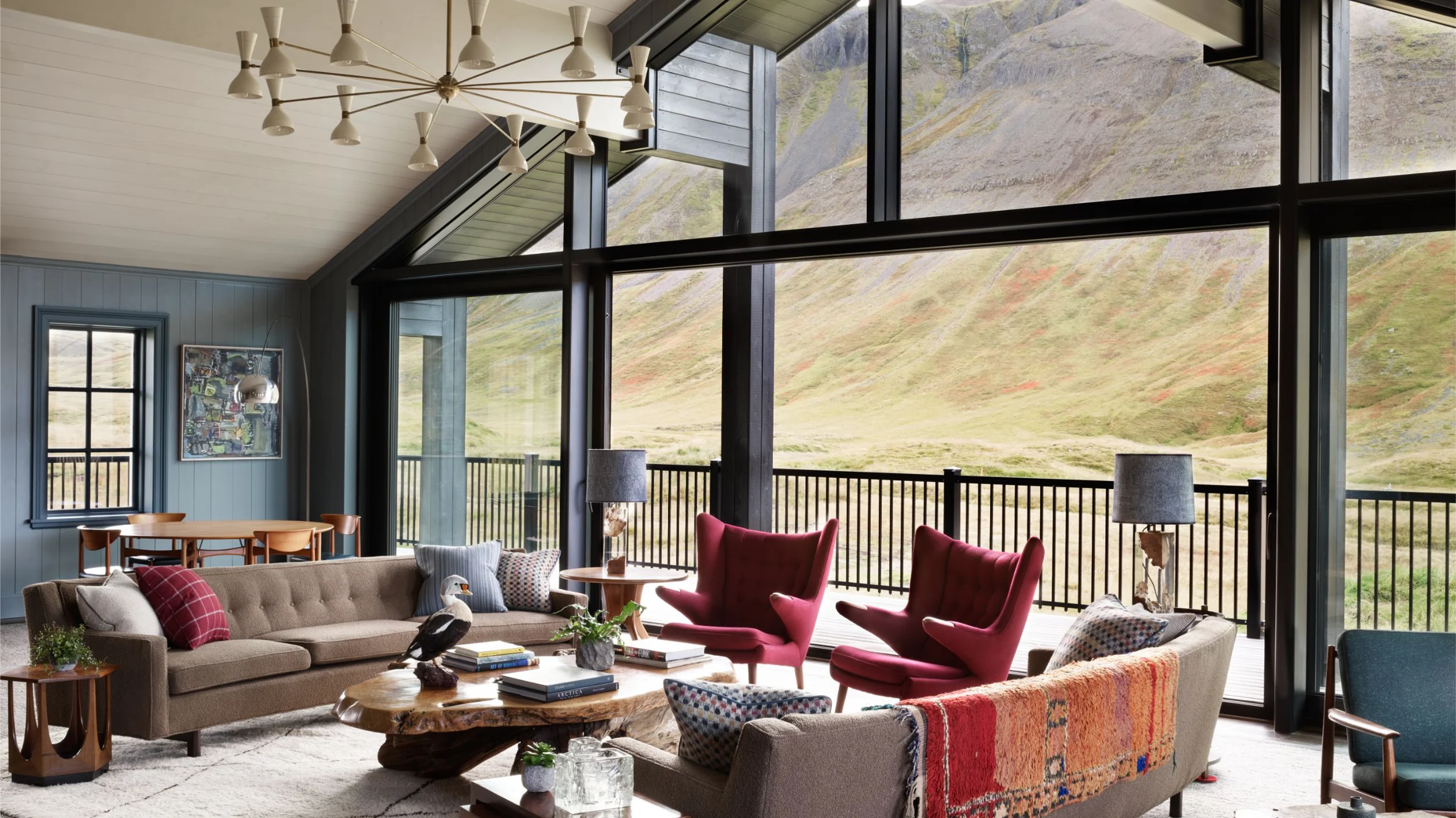
Deplar Farm (Eleven Experience). A remote lodge in the Troll Peninsula, north Iceland. Thirteen rooms, indoor-outdoor geothermal pool, sauna, spa, dining for 28 guests. Activities run by the in-house team: heli-skiing in winter, surfing the Arctic in summer, snowmobiling, Nordic skiing, fat biking. The aurora viewing is direct from the property, with no light pollution. All-inclusive rates from approximately 3,500 USD per person per night double occupancy.
The Retreat at Blue Lagoon. A 62-suite hotel built into the lava field around the Blue Lagoon, with a private lagoon section reserved for hotel guests. Michelin-experience dining, the Retreat Spa underground in the volcanic rock, and proximity to Reykjavik and Keflavik (45 minutes by car). Rates from 1,600 to 4,000 USD per night per room in low season, climbing in high season.
Northern Lights: realistic timing
The aurora is visible from late September to mid-April. Peak probability is October to February when nights are longest. Clear skies are the variable that matters most. Iceland’s Met Office runs a forecast page that the lodges check daily. Expect to be flexible: a week-long trip gives you three to five usable viewing nights statistically.
Reykjavik is the worst place to see the aurora because of light pollution. The lodges position themselves precisely to avoid this: Deplar Farm in the far north, the Retreat 45 minutes south of the capital on a peninsula with darker skies than the city.
Heli-skiing and adventure add-ons
Deplar Farm runs one of the few luxury heli-ski operations in Iceland from February through May. The Troll Peninsula has powder fields rising directly from the Atlantic, with descents finishing on the beach. Pricing add-on roughly 4,000 to 6,000 USD per day per guest for guided heli-ski with private guide and helicopter time.
Outside skiing, the standard winter activities are: aurora chasing with photographer-guides, ice cave tours in Vatnajokull, snowmobile crossings of glaciers, snorkelling between tectonic plates at Silfra (yes, in winter, in drysuits).
What the Blue Lagoon experience actually is
Most travelers conflate three different things. The Blue Lagoon (public) is the famous one, with day-pass tickets from approximately 90 USD. Crowds are heavy unless you book the first or last slot of the day. The Retreat Spa is a separate luxury complex within the same volcanic site, accessible only to spa-package or hotel guests. It includes a private lagoon section, ritual treatments and lower volume. The Retreat Hotel adds 62 suites with direct lagoon access from the rooms.
Featured operator
This space is reserved for a featured Iceland luxury operator. If you run a private lodge, heli-ski operation or guided aurora tour and want exposure to our HNW readers planning winter 2026/27 trips, get in touch at [email protected].
When to go for what
October to February: best aurora season, shortest days, coldest temperatures. December and January have only four to five hours of daylight. February starts to balance daylight and aurora chances.
March to May: aurora still possible early, days lengthening, heli-ski season at Deplar peaks.
June to August: midnight sun, no aurora, hiking and Arctic surfing season. Roads open across the highlands.
Frequently asked questions
What is the best month to see the Northern Lights in Iceland?
October, November, February and March balance daylight, aurora probability and weather. December and January have the longest nights but also more storms and shorter daylight for daytime activities.
How much does Deplar Farm cost per night?
Approximately 3,500 to 5,000 USD per person per night double occupancy, all-inclusive (food, drinks, standard activities). Heli-ski days add 4,000 to 6,000 USD per day per guest.
Is the Blue Lagoon worth visiting if I am staying elsewhere in Iceland?
The public Blue Lagoon is overcrowded in peak periods. If you can splurge on the Retreat Spa day package (350 to 500 USD) or stay at the Retreat Hotel for one night before flying home, that is the worthwhile version. Standard tickets are skippable for luxury travelers.
How many nights should I stay in Iceland for the aurora?
Five to seven minimum. Statistical aurora probability per night runs 40 to 60 percent in season; you need multiple chances. Less than five nights is a gamble.
Can I see the aurora from Reykjavik?
Rarely. The city has too much light pollution. To see it from Reykjavik you need a strong aurora event (KP 5+) and clear skies. Most guides drive guests 30 to 60 minutes outside the city for proper viewing.
Do I need special clothing for an Iceland winter trip?
Yes. Insulated waterproof boots, thermal base layers, midweight fleece, heavy down or technical shell jacket, gloves and a hat. Most lodges loan or rent the outer layers. Plan to layer rather than pack one heavy coat.