Louis Vuitton: Crafting Luxury Since 1854
The Legend Begins
In the mid-19th century, amidst the bustling streets of Paris, a visionary craftsman named Louis Vuitton embarked on a journey that would forever alter the landscape of luxury fashion. It was 1854, an era characterized by the burgeoning industrial revolution and a society enamored with the allure of travel. Recognizing the need for durable yet stylish travel gear, Vuitton opened his first workshop on Rue Neuve-des-Capucines, laying the foundation for a brand that would become synonymous with the art of travel.
Louis Vuitton, a humble trunk-maker with a vision, sought to solve a critical issue for travelers: luggage that could withstand the rigors of journey yet exude elegance. His innovative flat-topped trunks, a stark contrast to the bulky, rounded ones of the time, not only maximized storage but also allowed for easy stacking during transport. This ingenuity marked the beginning of Louis Vuitton’s storied legacy in the world of luxury goods.
The Founder’s Vision
Born in 1821, Louis Vuitton’s journey from a provincial craftsman to a Parisian innovator is a tale of ambition, skill, and visionary foresight. Driven by a passion for craftsmanship and a keen eye for detail, Vuitton’s early decision to focus on high-quality, custom-made trunks quickly set his brand apart. His breakthrough moment came with the creation of the Trianon canvas trunk in 1858, revolutionizing luggage with its lightweight design and airtight seal.
Vuitton’s philosophy of “travel in style” guided every facet of his creations, a principle that remains at the heart of the brand. His dedication to quality and innovative design laid the groundwork for a brand that prides itself on the marriage of functionality and luxury.
Rise to Excellence
From its humble beginnings, Louis Vuitton’s journey to global icon status is marked by key milestones and relentless innovation. The 1892 passing of Louis Vuitton saw his son, Georges Vuitton, carry forward the legacy, introducing the iconic LV Monogram canvas in 1896 to combat counterfeits. The 20th century heralded the brand’s expansion beyond luggage into a full-fledged luxury fashion house, launching its first leather handbags in the 1930s and opening its first store in London in 1885, eventually making its way onto the prestigious Champs-Élysées in 1914.
The brand’s reputation for excellence was further solidified through royal warrants and high-profile clients, including Empress Eugénie de Montijo. Overcoming challenges such as World War II, Louis Vuitton continued to innovate, introducing products like the Noé bag in 1932 and the Speedy bag in 1930, which remain staples in its collection.
Iconic Creations
Louis Vuitton’s legacy is punctuated by iconic creations that have stood the test of time. The Speedy bag, originally designed for Audrey Hepburn in the 1930s, the Neverfull tote, and the Keepall travel bag epitomize the brand’s ethos of luxury travel. Each piece is a testament to the brand’s meticulous craftsmanship, with artisans undergoing years of training to master the art of leatherworking and monogram painting.
The brand’s design philosophy, focusing on timeless elegance and practical luxury, coupled with its innovative use of materials such as the Monogram canvas, has made its creations instantly recognizable. Celebrities and fashion icons around the globe are often spotted with Louis Vuitton pieces, further cementing its status in the luxury market.
The Numbers: Empire Today
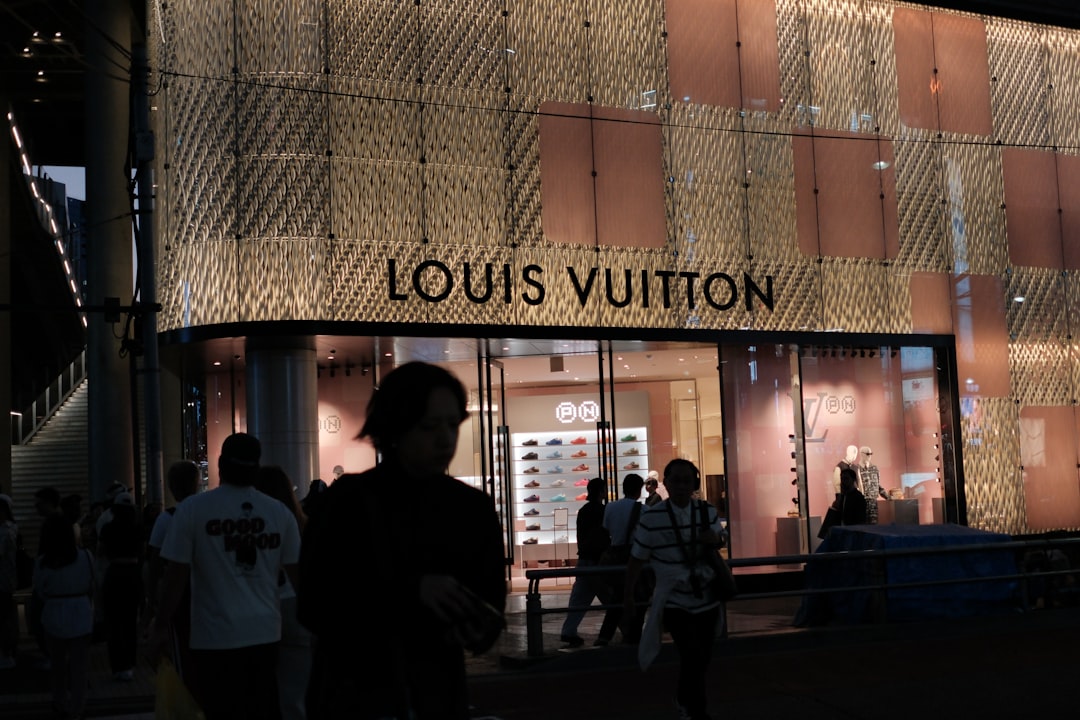
Today, Louis Vuitton operates under the umbrella of LVMH (Moët Hennessy Louis Vuitton), the world’s leading luxury goods group. With an annual revenue surpassing €44 billion in 2020, the brand boasts over 460 stores in 50 countries. Louis Vuitton’s commitment to excellence extends to its workforce of thousands, ensuring that the legacy of craftsmanship and innovation continues.
The Legacy Continues
Under the creative direction of Nicolas Ghesquière for women’s collections and Virgil Abloh for men’s until his passing in 2021, Louis Vuitton remains at the forefront of luxury fashion. The brand’s recent innovations, such as the 2021 introduction of the Horizon Light-Up speaker, underscore its commitment to combining luxury with technology. Sustainability initiatives, including achieving a total renewable electricity use in its workshops and stores, demonstrate its dedication to responsible luxury.
As Louis Vuitton looks to the future, it continues to expand its product lines while maintaining the exclusivity and heritage that have defined it for over a century. The brand’s commitment to innovation, sustainability, and unparalleled craftsmanship promise a new chapter of growth and creativity.
Why It Matters
Louis Vuitton’s enduring legacy in the luxury market is not just a testament to its founder’s vision but also a reflection of the brand’s ability to adapt and innovate while staying true to its heritage. To luxury connoisseurs, Louis Vuitton represents more than just high-end goods; it embodies a rich history of craftsmanship, a commitment to excellence, and an indelible mark on the culture of luxury travel and fashion. As the brand moves forward, its story continues to inspire and resonate with those who appreciate the finer things in life.