NetJets: Pioneering the Skies of Luxury
The Legend Begins
In the spring of 1964, within the bustling heart of Columbus, Ohio, an innovative vision for private aviation took flight. Executive Jet Airways was founded by a group of retired United States Air Force generals, led by Brigadier General Olbert F. “Dick” Lassiter, who had experience running the Air Mission Squadron, an air taxi service for the Air Force. The company’s board read like a who’s who of American icons: actor and aviation enthusiast James Stewart, entertainer Arthur Godfrey, and Paul W. Tibbets Jr., the pilot who flew the Enola Gay on its fateful mission over Hiroshima. The vision was simple yet revolutionary: build a fleet of aircraft and offer private jet flights to anyone who could afford them. The company launched with a fleet of ten brand-new Learjet 23s, then the Ferrari of the skies, capable of transcontinental flight with speed and style that captivated the post-war business elite.
The Visionary Who Transformed It
Richard T. Santulli was born in Brooklyn, New York on August 14, 1944. The son of a civil servant, he developed a love for horses early, riding rented mounts in Prospect Park. An academically gifted student, particularly in mathematics, Santulli earned B.S. and M.S. degrees in mathematics from the Polytechnic University of New York (now NYU Tandon School of Engineering), plus a master’s in industrial engineering. After working at Shell Oil Company and Goldman Sachs, where he became a leasing specialist, Santulli purchased Executive Jet Aviation in 1984 through his company RTS Capital Services. The mathematician’s genius lay in what he did next: spending months analyzing 22 years of pilot logbooks, he envisioned a revolutionary “time-share” concept for business jets, similar to resort property fractional ownership. In 1986, Santulli made a $4 million down payment on eight Cessna Citation IIs and launched NetJets, the world’s first fractional aircraft ownership program.
Rise to Excellence
NetJets’ journey from a groundbreaking idea to a luxury icon is marked by relentless innovation and strategic expansion. When Santulli launched the fractional ownership concept in 1986, many in the industry openly mocked the mathematician who wasn’t even a pilot. But the market eventually embraced the new model, and by the 1990s, NetJets was adding record numbers of customers each year. One pivotal moment came in 1995 when legendary investor Warren Buffett became a NetJets customer, purchasing a share in a Hawker 1000 to avoid both the costs of full jet ownership and being mobbed when flying commercial. This endorsement from the “Oracle of Omaha” boosted NetJets’ credibility enormously. In 1998, Buffett’s Berkshire Hathaway acquired NetJets for $725 million, half in cash and half in stock. NetJets soon expanded to Europe (1996) and beyond, and by 2006, it was the largest operator of business jets in Europe. In 2012, the company placed the largest aircraft order in private aviation history: $17.6 billion for up to 425 business jets from Bombardier, Cessna, and Embraer.
Iconic Creations
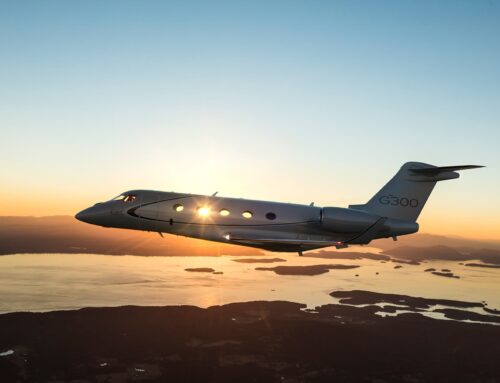
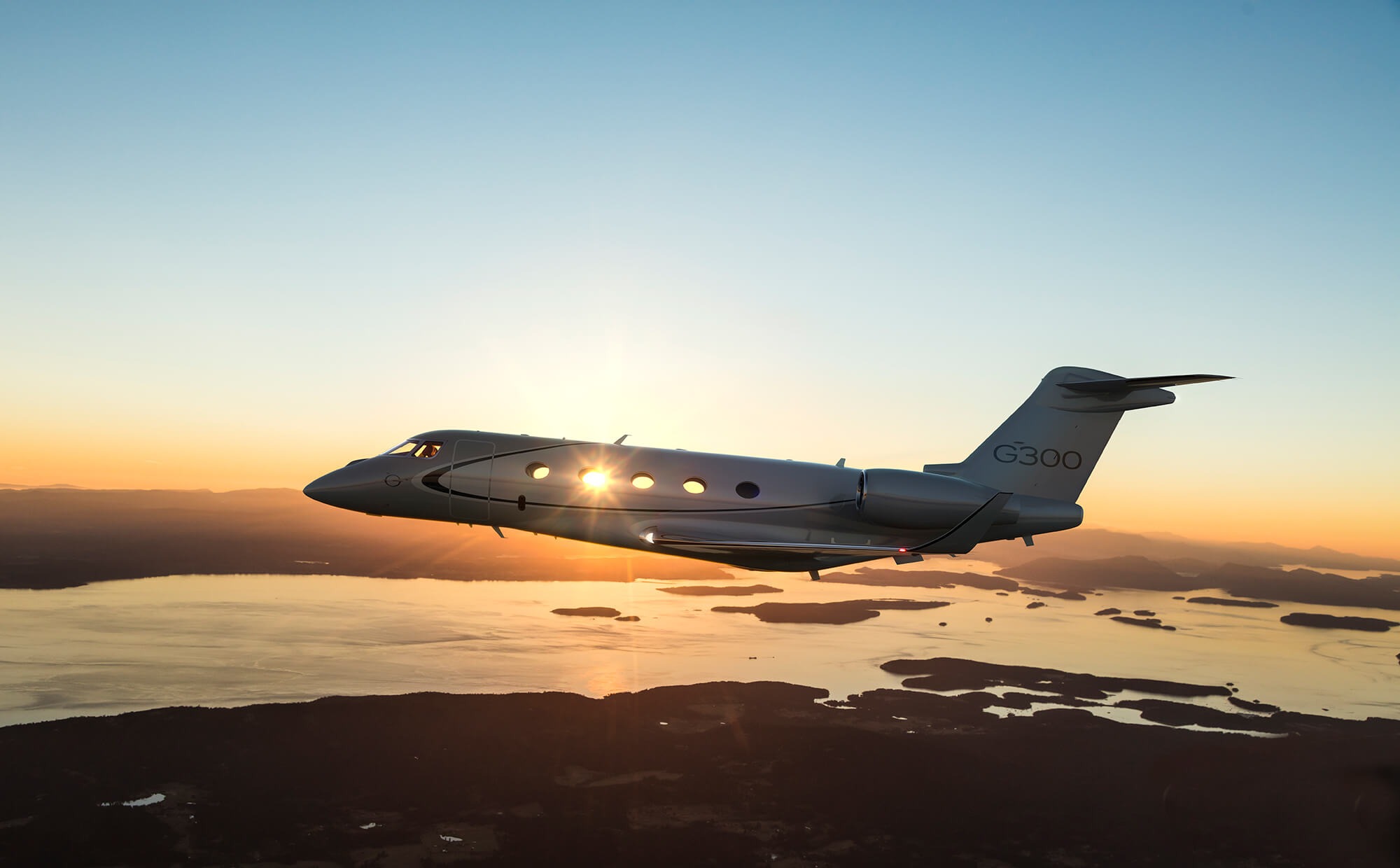
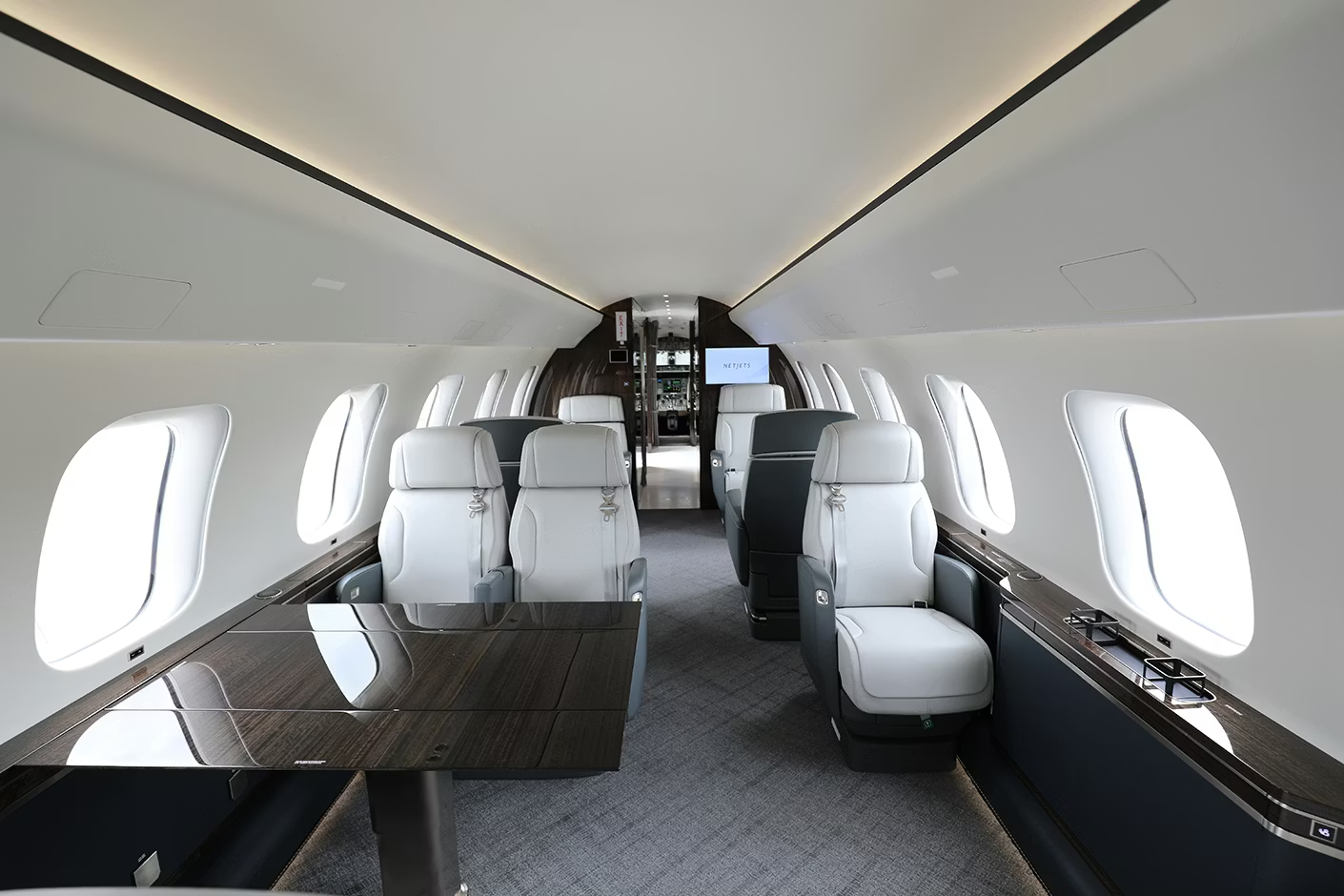
NetJets has redefined luxury air travel through a fleet that offers options across every cabin class. The fleet includes light jets like the Embraer Phenom 300E, super-midsize aircraft like the Cessna Citation Latitude and Bombardier Challenger 350/3500, large cabin jets like the Bombardier Challenger 650, and ultra-long-range aircraft including the Bombardier Global 5500, Global 6000, and the flagship Global 7500, the largest purpose-built business jet in the world. In September 2023, NetJets announced a landmark 15-year agreement to purchase up to 1,500 Cessna Citation jets from Textron Aviation, becoming the launch customer for the upcoming Cessna Citation Ascend. The design philosophy centers on creating a seamless, comfortable, and exclusive travel experience, with the guarantee of a jet anywhere in the United States with just hours’ notice. Notable moments include serving roughly one in five business jet departures in the U.S. and counting over 40 Fortune 100 companies among its clients.
The Numbers: Empire Today
Today, NetJets stands as a colossus in the luxury aviation sector, with Berkshire Hathaway’s backing providing a robust foundation. According to Berkshire Hathaway’s 2024 annual report, NetJets Inc. employs 9,106 people worldwide, including over 2,500 pilots and five FAA-approved meteorologists. The company operates a fleet of over 750 aircraft (including NetJets Europe and Executive Jet Management), representing approximately 3.5% of all active private jets worldwide. It serves over 10,200 fractional owners and jet card customers in the United States and more than 2,200 customers in Europe. The fleet flies to over 3,200 airports in 150 countries, making more than 400,000 flights annually. While specific revenue figures remain closely held as a private subsidiary, NetJets is estimated to be worth billions. In 2024 alone, the company took delivery of 50 new aircraft worth approximately $1.3 billion, with over 40% of its fleet now under five years old.
The Legacy Continues
Under the leadership of Chairman and CEO Adam Johnson, who has served since June 2015 and brings nearly three decades of NetJets experience, the company is embracing the future with a focus on innovation, sustainability, and exclusive services. In December 2025, Johnson was appointed President of the Consumer Products, Service and Retailing businesses of Berkshire Hathaway while continuing his role at NetJets, a testament to Warren Buffett’s praise: “Adam Johnson has performed; you can’t believe what he’s done with the business.” Recent initiatives include expanding sustainable aviation fuel programs at bases in San Francisco and Columbus, introducing the Global 7500 (with plans to upgrade to the Global 8000), and announcing a memorandum of understanding to purchase up to 150 Lilium eVTOL air taxis for the future of urban air mobility. The company’s commitment to exclusivity and privacy remains unwavering, with bespoke services that cater to the unique needs of the world’s most discerning travelers.
Why It Matters
NetJets has not only pioneered the concept of fractional jet ownership but has also set the gold standard for luxury, efficiency, and safety in private aviation. What Richard Santulli envisioned in 1986, studying pilot logbooks with a mathematician’s eye, has grown into the world’s largest private jet operation. Its enduring appeal lies in its ability to democratize access to private jets while maintaining an unparalleled level of luxury and personalized service. For connoisseurs of luxury, NetJets represents the ultimate in convenience and prestige, a testament to the vision of its innovator and the excellence of its team. When Uber’s founders wrote their first pitchbook, they positioned themselves as “the NetJets of black car services,” a fitting tribute to the company that pioneered the sharing economy in aviation decades before the term existed. In the world of luxury travel, NetJets is not just a mode of transportation; it is an icon of exclusivity and innovation, a brand that has transformed the skies into realms of limitless possibility.