Exclusive Olive Oil Tasting in Tuscany
Introduction
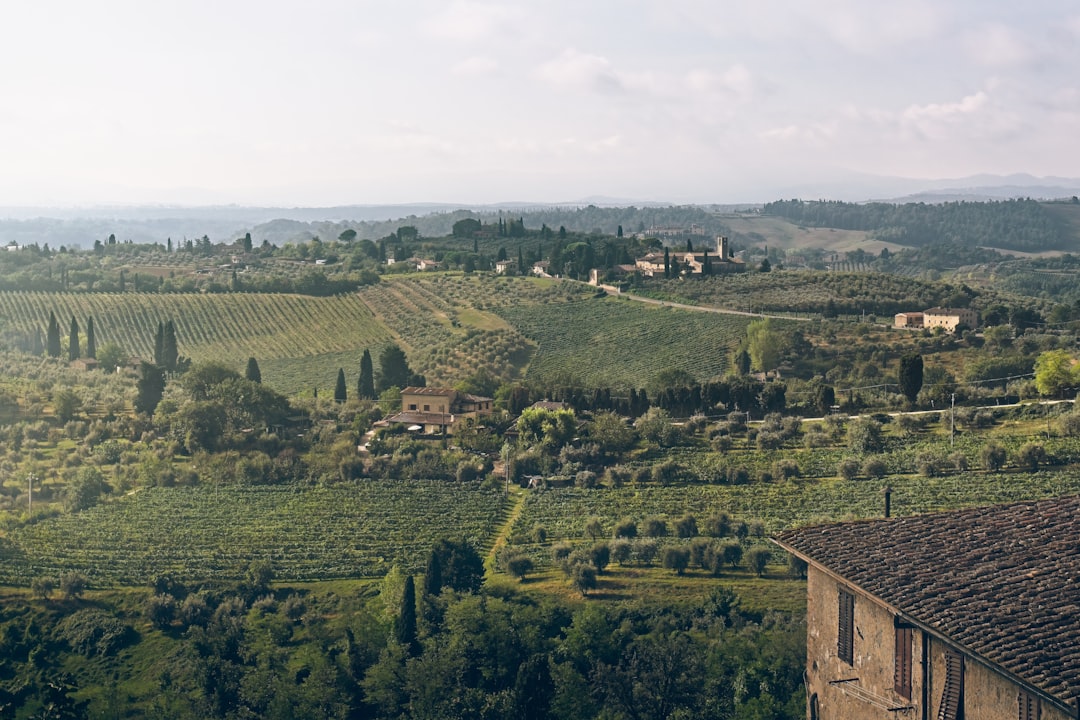
Tuscany is famous for its landscapes, its history, and its cooking, and it is a fine place to get deep into olive oil. Luxury travelers can explore high-quality extra virgin olive oil through exclusive tastings at some of Italy’s best estates. These go well past simple sampling: intimate access to centuries-old pressing traditions, private mill tours, and the chance to taste oils straight from ancient groves that have produced oil for generations. From Renaissance villas bottling their own oils to the world’s first dedicated olive oil resort, Tuscany sits at the top of gastronomic luxury. Here are the most remarkable properties for an olive oil journey through this iconic Italian region.
TOP 7 LUXURY OLIVE OIL EXPERIENCES
1. Villa Campestri Olive Oil Resort
– Price: €150-400/night
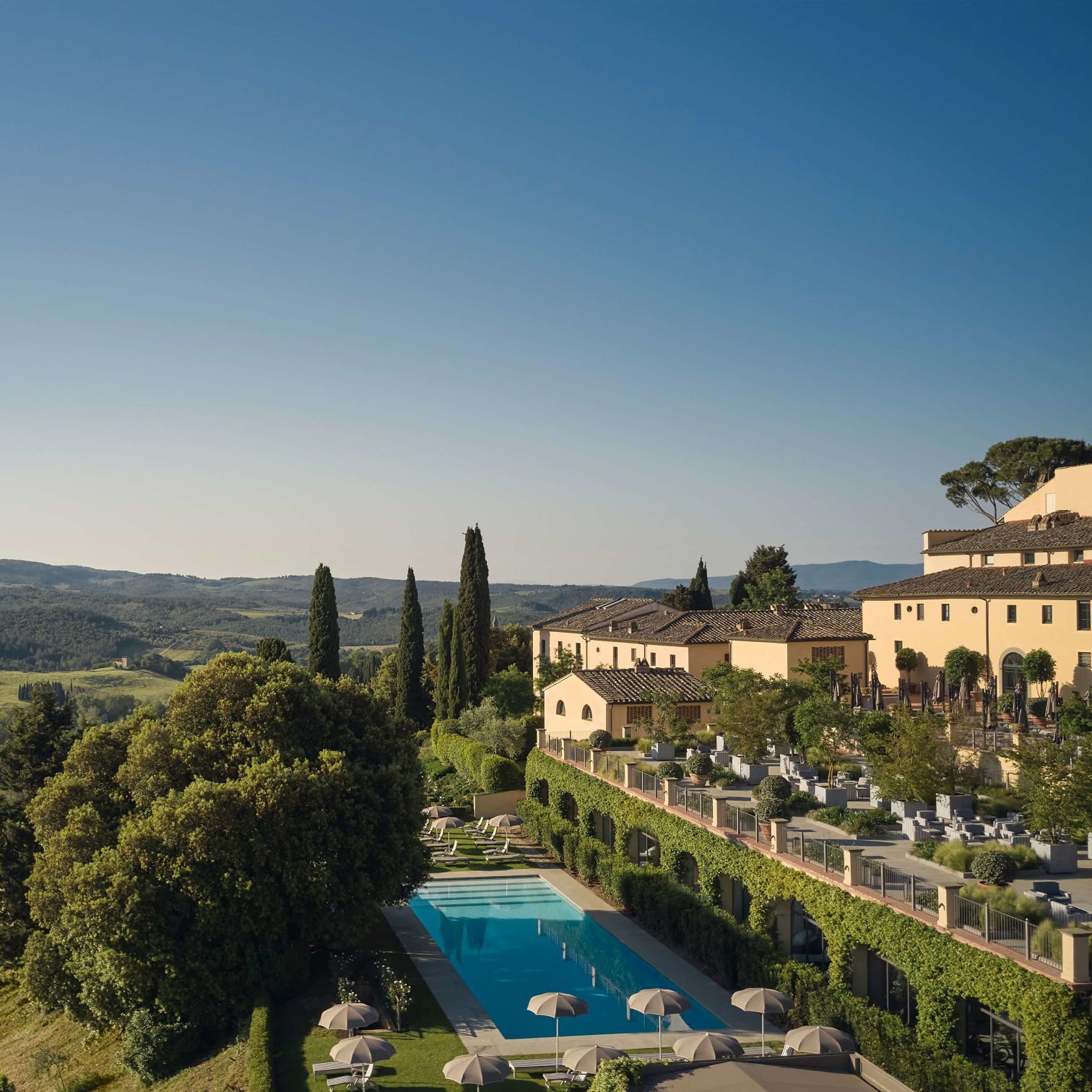
– The world’s first and only resort devoted entirely to olive oil culture, Villa Campestri sits in the Mugello hills just 35 kilometers from Florence. This 13th-century Renaissance villa has a dedicated Oleoteca for professional tastings, an on-site frantoio (olive mill), and over 28 specialized olive oil experiences. Guests can join the harvest during October-November, take olive oil cooking classes, and enjoy spa treatments using the estate’s own extra virgin olive oil. The property maintains 4,500 olive trees across its grounds, producing award-winning oils that have earned international recognition.
– Best season: October to November for harvest; April to June for spring tastings
– Insider tip: Book the “Olive Oil Sommelier Experience” (€85/person) for a professional-level tasting course with certification, the most comprehensive olive oil education at any resort worldwide.
– Book Now: Official Website | Hotels.com | Booking.com | Expedia
– Price: €400-800/night
– Owned by the Ferragamo family since 1993, this 1,100-hectare organic estate in Valdarno includes 40 hectares of ancient olive groves producing exceptional extra virgin olive oil. The restored medieval village offers 38 luxurious suites, and the estate’s wine tours always include an olive oil tasting; their website states that “organic extra virgin olive oil tasting is always included.” The property has three restaurants, an organic winery, and the Ferragamo family’s commitment to sustainable agriculture, which has turned this corner of Tuscany into an agricultural showpiece.
– Best season: September to November for harvest and vibrant foliage
– Insider tip: Request the private “Olio Nuovo” tasting in November, when the first pressing of the season produces intensely green, peppery oil available nowhere else. Ferruccio Ferragamo himself often joins guests during this period.
– Book Now: Official Website | Hotels.com | Booking.com | Expedia
– Price: €450-980/night
– This 16th-century Medicean villa on the banks of the Arno River, just 15 minutes from Florence, produces its own estate olive oil from centuries-old groves on the property. The “Tuscan Olive Harvest Experience” package includes guided visits to the groves, private mill tours, and expert-led tastings paired with the villa’s own wines. With 51 rooms and suites featuring original frescoes, Murano chandeliers, and antique furnishings, Villa La Massa brings Renaissance grandeur together with modern luxury. The restaurant puts the estate’s olive oil to work in traditional Tuscan dishes from its acclaimed culinary team.
– Best season: Late September to early November for harvest; May to June for spring
– Insider tip: Request a private breakfast in the historic olive grove; the kitchen will prepare fresh focaccia drizzled with the estate’s new-press oil, something not listed on any menu.
– Book Now: Official Website | Hotels.com | Booking.com | Expedia
4. Rosewood Castiglion del Bosco
– Price: €1,100-5,000/night
– Set within a 5,000-acre UNESCO World Heritage estate in Montalcino, this ultra-luxury property is as high as Tuscan olive oil experiences go. The estate’s ancient groves produce limited quantities of exceptional oil used throughout the property, from the Michelin-starred restaurant to the spa’s signature “Golden Olive Oil Ritual” treatment. That 90-minute spa experience ends with a private olive oil tasting, fresh tapenade, and warm focaccia in the treatment room. Accommodation spans 23 Borgo Suites in restored 17th-century farm buildings and 11 private villas, each with dedicated butler service.
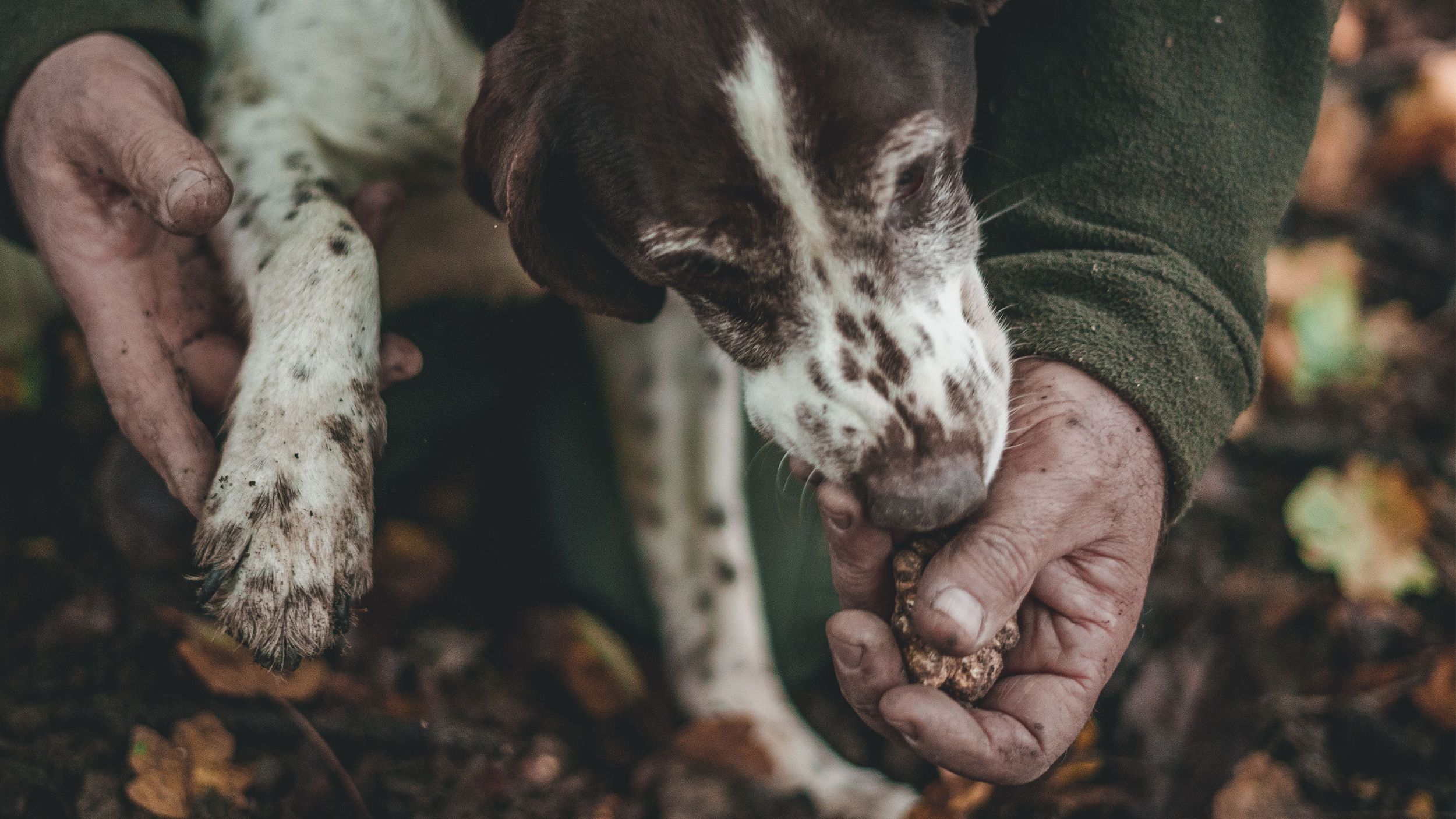
– Best season: May to October; November for truffle and olive oil season
– Insider tip: Book the spa’s “Golden Olive Oil Ritual” (€350) at sunset for a treatment room overlooking the Val d’Orcia; the massage, the tasting, and that view make for an unforgettable hour.
– Book Now: Official Website
– Price: €400-1,200/night
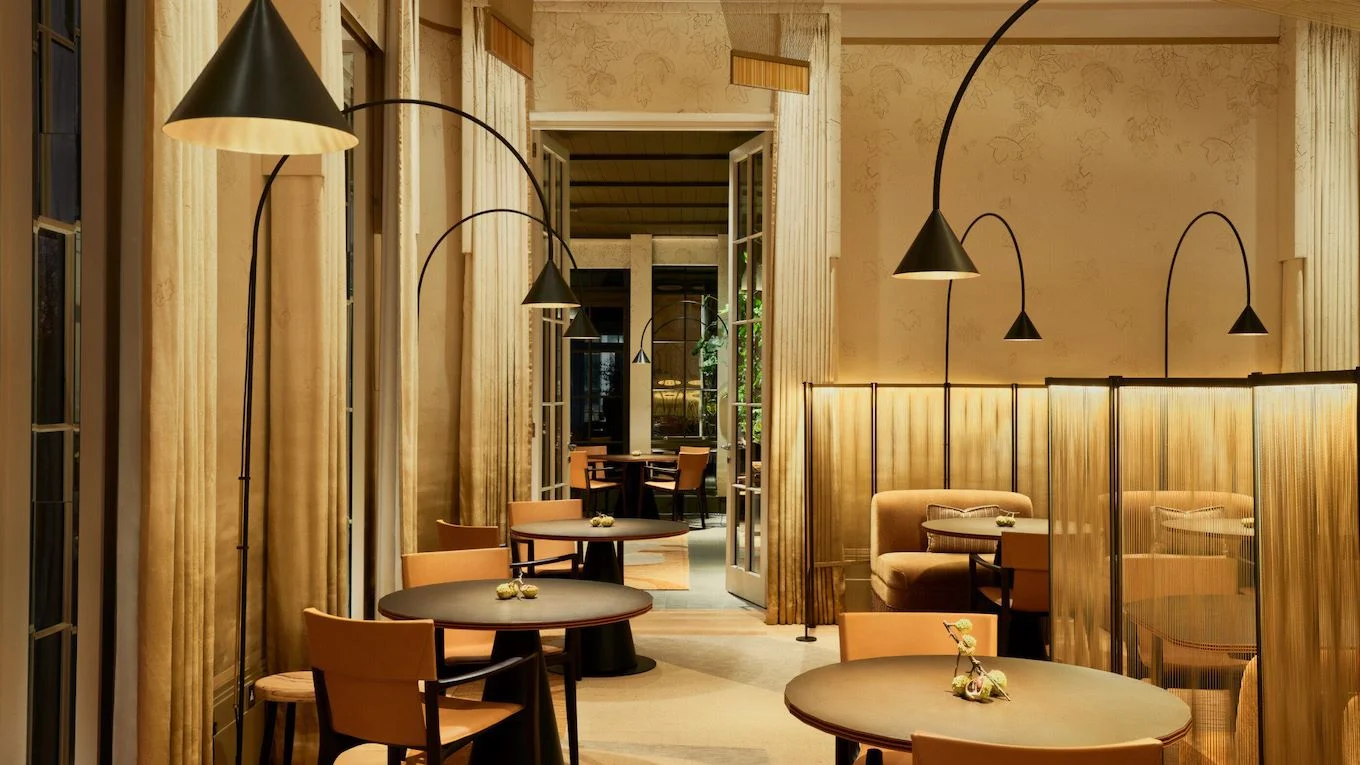
– This intimate 14-room boutique hotel sits within the 7,100-acre Banfi wine estate in Montalcino and runs one of Tuscany’s most thorough olive oil education programs. The 1.5-hour olive mill tour and tasting (€45/person) includes three different extra virgin olive oils paired with local products, bread, and an aperitif. The estate’s Michelin-starred restaurant La Sala dei Grappoli puts the oils into refined Tuscan cuisine, while the medieval castle gives the whole thing a dramatic backdrop. Each individually designed room pairs Tuscan heritage with contemporary comfort.
– Best season: October to November for olive harvest; April to June for wine and oil pairing experiences
– Insider tip: Combine the olive oil tour with the Brunello wine tasting and request lunch at the castle’s Taverna for the full Banfi experience; ask for the table overlooking the vineyard valley.
– Book Now: Official Website | Hotels.com | Booking.com | Expedia
– Price: €600-1,200/night (Villa Ricucci suites)
– This prestigious Chianti Classico estate near Gaiole in Chianti keeps 40 hectares of olive groves with roughly 10,000 trees producing exceptional single-estate oil. What makes it unusual is the pairing of world-class wine and olive oil production with an extraordinary contemporary art collection, site-specific works by Anish Kapoor, Louise Bourgeois, and Daniel Buren woven through the vineyards and cellars. The full experience (€190/person) includes a guided tour of the art installations, cellars, and olive groves, plus a gourmet meal with wine and oil pairings. The five suites of 18th-century Villa Ricucci offer complete privacy and sweeping Chianti views.
– Best season: Spring for wildflowers and art; October-November for harvest
– Insider tip: Book the “Art & Oil” private tour and ask to visit the temperature-controlled olive oil storage room where the estate’s production ages; few guests know this space exists beneath the historic cellars.
– Book Now: Official Website
– Price: €800-2,000/week (weekly rentals only)
– Europe’s largest Demeter-certified biodynamic farm spans over 1,400 hectares near Arezzo, with 33,000 olive trees producing some of Italy’s most respected organic oils. This is agricultural immersion rather than a luxury hotel: guests stay in one of 30 beautifully restored farmhouses and take part in daily farm life. Free guided tours leave at 11:00 AM and 3:30 PM, taking in the olive press, wine cellars, and cheese-making facilities, and ending with complimentary tastings of wine, olive oil, vinegar, and honey. The Lo Sfuso family has farmed this land for three generations, and their hands-on involvement gives it a character conventional hotels can’t match.
– Best season: October to November for olive harvest participation
– Insider tip: Book at least 12 months ahead; the farmhouses sell out quickly. Request a cottage near the frantoio (olive mill) to watch the pressing from your terrace during harvest season.
– Book Now: Official Website (Direct booking only via email: [email protected])
Expert Travel Tips
1. Time Your Visit for the Olive Harvest. The best window for olive oil enthusiasts is mid-October through late November, when the frantoio (mill) runs daily. You’ll taste “olio nuovo,” freshly pressed oil with an intense green color and peppery finish that you won’t find any other time. Many estates offer harvest participation during this window, so you can pick olives alongside the workers and watch your contribution pressed within hours.
2. Understand the Tasting Vocabulary. Tuscan olive oils are described by specific attributes: “fruttato” (fruity), “amaro” (bitter), and “piccante” (peppery). A quality extra virgin oil holds all three in balance. That peppery catch at the back of your throat signals high polyphenol content, a mark of quality and health benefits. Ask your guide to explain the DOP (Denominazione di Origine Protetta) classifications that guarantee origin and quality.
3. Book Private Experiences in Advance. The most exclusive tastings, private mill access, meals with estate owners, harvest participation, need booking 2-4 weeks ahead, especially in peak season. Contact properties directly rather than through booking platforms to reach experiences they don’t advertise publicly. Mention if you’re a serious collector or in the food industry, which can open up cellar access.
4. Pair Olive Oil with Local Specialties. Ask for tastings with traditional pairings: unsalted Tuscan bread, pecorino cheese, white beans, and bistecca alla fiorentina. Each one brings out something different in the oil. The finest estates will also show the difference between their cultivars; Frantoio, Leccino, Moraiolo, and Pendolino each contribute a distinct flavor profile.
5. Ship Your Purchases Properly. Quality extra virgin olive oil degrades with heat and light. Buying bottles to bring home, use the estate’s shipping service rather than packing them in your luggage; most luxury properties offer temperature-controlled international shipping. Otherwise, buy oils in dark glass or tin and carry them in your cabin bag, where the temperature is controlled. Use them within 12-18 months of pressing for the best flavor.
FAQs
Q: What is the best time of year to visit Tuscany for olive oil tasting?
A: The harvest season, mid-October through late November, is the most immersive, with active mills and the chance to taste “olio nuovo” (new oil) straight from the press. That said, established estates run excellent tastings year-round. Spring (April-June) brings fine weather and fewer crowds, and summer visitors can enjoy olive oil paired with outdoor dining. Every season shows a different side of Tuscan olive oil culture.
Q: How do Tuscan olive oil tastings differ from wine tastings?
A: Professional olive oil tasting uses small blue glasses (to remove color bias) warmed in the hand to release the aromatics. Tasters slurp the oil to aerate it, then judge fruitiness, bitterness, and pepperiness. Unlike wine, olive oil should be used within 18 months of pressing; there’s no benefit to aging it. Most luxury estates now offer combined wine and olive oil experiences, since both reflect terroir and traditional Tuscan agriculture.
Q: Can I purchase estate olive oils to bring home, and how should I transport them?
A: Yes, most estates sell their production directly to guests, often including limited releases you won’t find elsewhere. For transport, use the shipping services luxury properties offer; they run temperature-controlled logistics to preserve quality. If you carry it yourself, pack bottles in your cabin bag (checked holds can reach damaging temperatures), wrap them in clothing for insulation, and keep them out of the light. Buy oils in dark glass or tin rather than clear glass where you can.
Tuscany’s luxury olive oil experiences offer much more than a tasting: intimate access to a 3,000-year-old agricultural tradition kept alive by families who have tended these groves for generations. From the world’s first dedicated olive oil resort at Villa Campestri to the Ferragamo family’s biodynamic estate at Il Borro, each property here takes its own approach to the craft. Whether you want the ultra-luxury of Rosewood Castiglion del Bosco, the real farm life of Fattoria La Vialla, or the art-world sophistication of Castello di Ama, Tuscany has an olive oil experience to match. Book during harvest season for the fullest version, and you’ll come home not only with exceptional oils but with a deeper appreciation for one of Italy’s greatest culinary treasures.