Exclusive Lodges in Hwange, Zimbabwe: The Pinnacle of Safari Luxury
Why we keep coming back
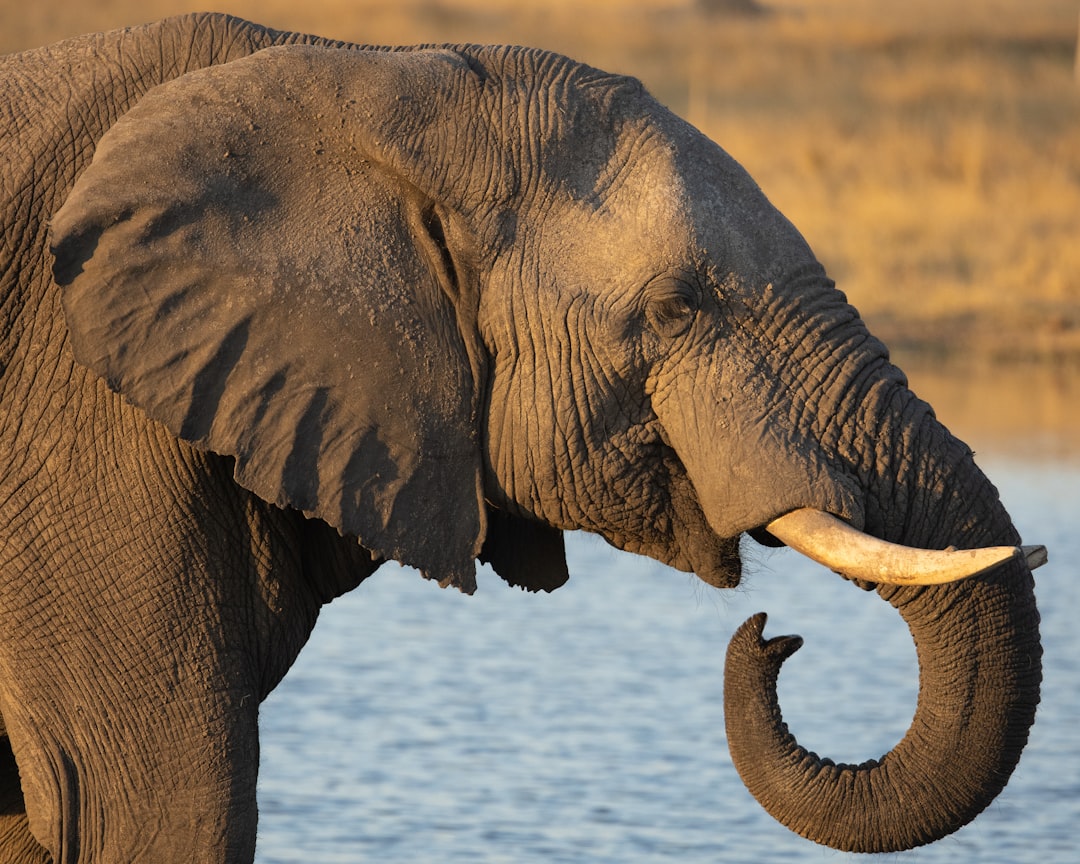
This started with a single game drive in Hwange National Park, watching elephants move across the Zimbabwean sky. Every return visit has added to what we understand about the ecosystem here. Watching a pride of lions at dusk, hearing them growl somewhere in the distance, is a big part of why we kept booking the next trip. Between the lodges and the encounters with local communities, Hwange has a lot to offer travelers who come for the wildlife and those who come for the comfort.
Heritage and evolution
Hwange National Park was established in 1928 and has been central to Zimbabwe’s conservation work ever since. Groups like the African Wildlife Foundation and conservationists such as Dr. Charles van Rooyen built the foundations for the tourism practices used today. Over the decades, the luxury lodges here have shifted toward eco-conscious design, with brands like Singita and Wilderness Safaris setting the pace on both service and conservation. Solar power and sustainable building materials are now standard rather than exceptional, which reflects a wider industry shift toward balancing comfort with environmental responsibility.
The lodges, ranked
1. Singita Pamushana Lodge
Provenance: In the Malilangwe Wildlife Reserve, this lodge has been operating since 2010. The design draws on local culture while keeping a high level of comfort.
The analysis:
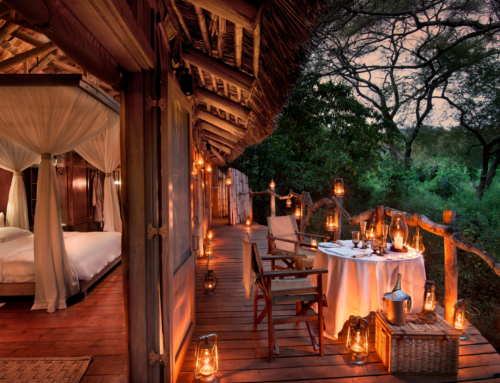
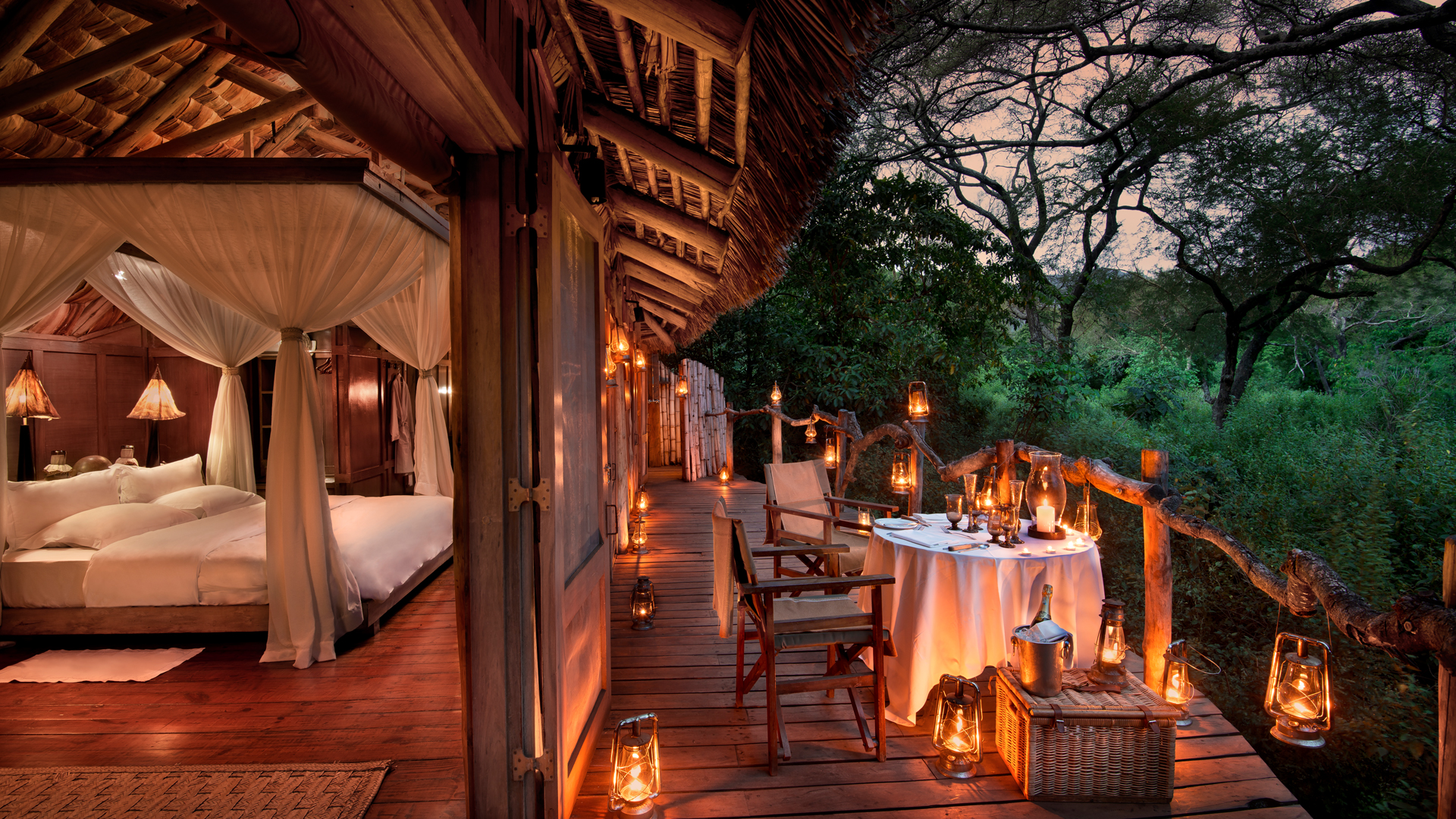
Singita Pamushana has expansive glass walls that connect indoor and outdoor spaces. With six suites and a 1:1 staff-to-guest ratio, it stays intimate. Each suite has an outdoor shower and private plunge pool, with local art and textiles inside. The area holds high densities of elephants, rhinos, and a wide range of bird species. Game drives run with FGASA-certified rangers in custom Land Cruisers. The lodge also puts proceeds into local community projects and anti-poaching work.
The investment:
– Base: €1,200/night
– Options: Private guided safari experiences from €350
– Operating costs: Included in the nightly rate
The experience:
Mornings start with bird calls and a breakfast built on local ingredients, followed by game drives through the reserve. The staff stay attentive throughout.
Tip:
Book during the dry season, July to October, when wildlife gathers around water sources and viewing is at its best.
—
2. &Beyond Khwai Private Reserve
Provenance: &Beyond has run luxury safaris since 1991, and Khwai reflects their approach to sustainable tourism.
The analysis:
&Beyond Khwai covers a range of habitats, from wetlands to woodlands. The lodge design is based on traditional African huts, built with local materials. Each suite runs on solar power, with a bathroom overlooking the surrounding land. Guests get binoculars and telephoto cameras for game viewing. The reserve has a high density of big cats, especially leopards, which is what draws the photographers. Guides hold FGASA certification.
The investment:
– Base: €850/night
– Options: Hot air ballooning experiences from €500
– Operating costs: Typically included
The experience:
The welcome on arrival sets the tone. Evenings end around the campfire, with wine and a prepared dinner. Night drives bring out a different set of animals than the daytime ones.
Tip:
Join a community visit if you can. It’s a chance to talk with local tribes about their traditions.
—
3. Wilderness Safaris Little Makalolo
Provenance: This camp has operated in Hwange since 1997, with a focus on sustainable practices and community involvement.
The analysis:
Little Makalolo uses canvas tents built into the surrounding landscape. With only six tents, service stays personal. The camp runs on solar power. The area has some of the highest elephant densities in Africa. Guides run morning and evening game drives in open vehicles, plus walking safaris.
The investment:
– Base: €900/night
– Options: Guided walking safaris from €200
– Operating costs: Included in the nightly rate
The experience:
Sundowners as the sun drops, elephants grazing nearby. Meals use ingredients sourced from local farms.
Tip:
Ask for a private dinner under the stars if you want to hear the African night up close.
—
4. Great Plains’ Zambezi Expeditions
Provenance: This mobile camp concept started in 2016, built around mobility rather than a fixed site.
The analysis:
Zambezi Expeditions is a tented camp that relocates seasonally to follow wildlife migrations. Each tent has custom furnishings and en-suite bathrooms. Because the camp moves, it reaches remote parts of Hwange that fixed lodges don’t. Guides are selected for depth of local knowledge.
The investment:
– Base: €1,500/night
– Options: Private helicopter tours from €750
– Operating costs: Typically included
The experience:
Waking up somewhere new each day is the main draw here. Meals are served outdoors under the open sky. The small group size tends to bring guests together over the course of a stay.
Tip:
Book early. The camp runs first-come, first-served and fills up fast given how few spots there are.
—
5. Hwange National Park’s Elephant’s Eye
Provenance: Opened in 2015, this lodge runs on eco-friendly practices.
The analysis:
Elephant’s Eye uses traditional African design with local materials throughout. The chalets each have a private deck overlooking a waterhole, which puts wildlife activity right in view. The lodge works with local communities on conservation. Game drives run morning and evening, with walking safaris as an alternative.
The investment:
– Base: €800/night
– Options: Cultural experiences from €150
– Operating costs: Included
The experience:
Waking up to elephants at the waterhole is the standout moment here. Service and food are both a step above what you’d expect from the setting.
Tip:
Ask about the lodge’s conservation projects if you want to understand more about the local challenges and progress.
—
6. Nehimba Lodge
Provenance: Nehimba has focused on authentic safari experiences and conservation work since it opened.
The analysis:
Nehimba sits next to a natural spring, which draws wildlife throughout the year. The chalets are spacious, with private decks over the water. The design uses local materials. Game drives run in open-sided vehicles for unobstructed views, with FGASA-qualified guides.
The investment:
– Base: €850/night
– Options: Spa treatments from €200
– Operating costs: Included
The experience:
Bird calls, rustling leaves, and elephants in the distance make up most of the soundtrack here. Dinners tend to be communal, with guests sharing stories over the course of the stay.
Tip:
Visit the nearby community to learn more about local culture and the conservation work happening there.
—
Technical notes
Seasonal timing matters when planning a Hwange stay. The dry season, July to October, is best for wildlife viewing since animals gather around waterholes. The park holds over 100 mammal species, including elephants, lions, and African wild dogs. Early morning and late afternoon tend to have the most activity. Lodges that invest directly in conservation and community programs are generally worth prioritizing.
Cultural and historical context
Hwange isn’t only about wildlife. The San people, the region’s original inhabitants, offer a window into traditional ways of life that go back thousands of years. The Painted Dog Conservation and the Hwange Research Centre nearby work on protecting endangered species and explaining the balance between tourism and conservation to visitors.
Getting the most out of it
The shoulder seasons, April to May and November, bring fewer tourists while wildlife is still active. Look into each lodge’s approach to conservation and community work before booking. A luxury travel advisor can help secure the better rooms and guides. And getting involved with local conservation projects during the stay adds to it.
Closing notes
What keeps us coming back to Hwange is the mix of wildlife, landscape, and the people who live and work here. Each trip adds to our understanding of how luxury travel and conservation can work together, and we’d like to see more travelers take that approach seriously as Hwange continues to draw visitors.