Unveiling South Luangwa’s Luxury Safari Mystique
The truth about South Luangwa
People tend to assume a luxury safari in South Luangwa, Zambia, runs much like one in the busier parks, Kenya’s Masai Mara or Tanzania’s Serengeti. It doesn’t. South Luangwa is quieter and more private than either. Its savannahs and oxbow lakes have stayed largely untouched, and the park is easy to underrate: the appeal is raw, and much of the wildlife you meet on foot rather than from a vehicle. This is where the walking safari began, and walking changes how you see African wildlife in a way no game drive quite does.
Understanding the landscape
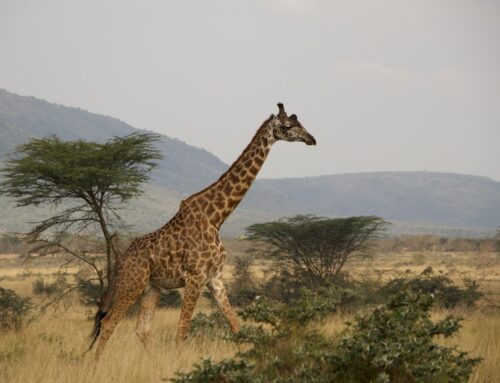
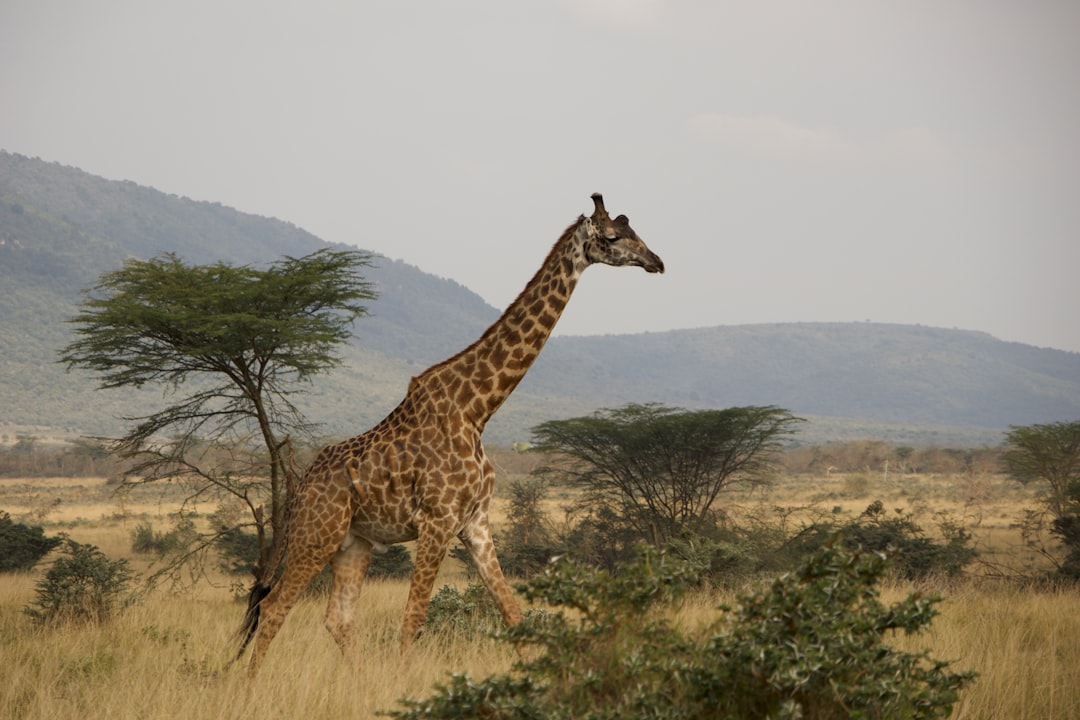
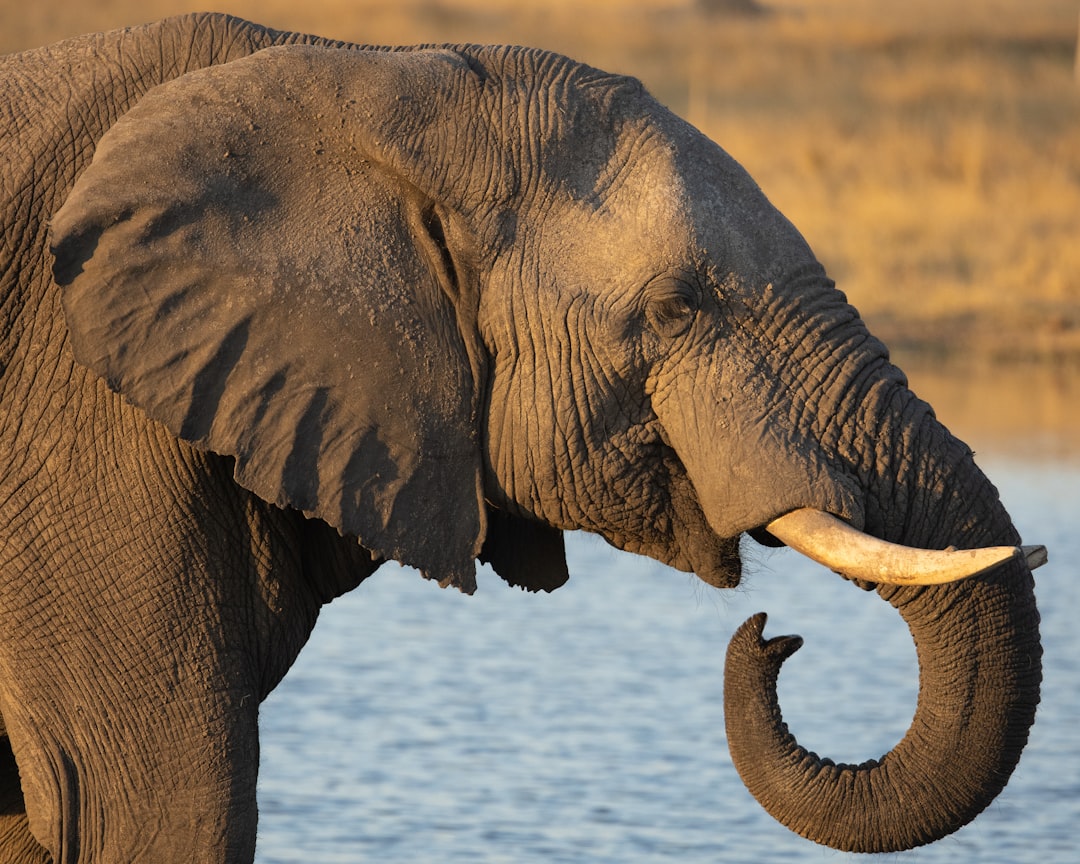
South Luangwa National Park, in central Zambia, is a conservation success story. Once hit hard by unchecked poaching, concerted conservation efforts have turned it into a sanctuary where wildlife thrives. The Luangwa River, one of Africa’s last remaining major undammed rivers, winds through the park and supports one of Africa’s densest concentrations of wildlife along its banks. The park covers over 9,000 square kilometers and holds strong populations of leopard, lion, elephant, hippo, and the endemic Thornicroft’s giraffe, found nowhere else on Earth.
Conservation here is tied closely to the communities around the park. Protecting wildlife and giving local people a real economic stake pull in the same direction rather than against each other. Blending traditional knowledge with modern techniques has been central to the park’s recovery, and it is a model for tourism that benefits both the wildlife and the people who live alongside it.
The essential selection
– Location: Banks of the Luangwa River, South Luangwa National Park
– Price: €1,700/night (peak season)
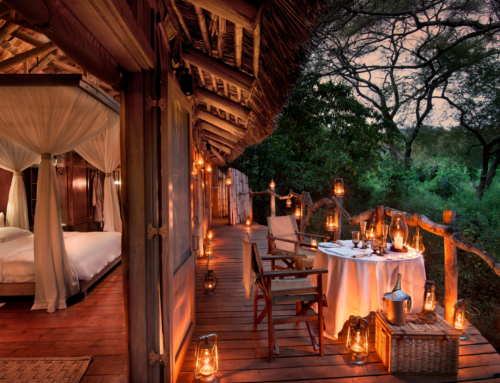
– Time + Tide Chinzombo is a new-generation Zambian bush camp. Designed by award-winning architects Silvio Rech and Lesley Carstens, the camp combines modern architectural forms with organic geometry and indigenous Zambian building methods. Six spacious villas (including a two-bedroom family villa) have private plunge pools, soaking tubs with river views, and a “Night time Breeze” cooling system. The camp sits on 24 hectares of private Luangwa River frontage, with strong leopard sightings and a guiding team that has been recognized as the best in Africa.
– Best Season: May to October (open year-round)
– Insider tip: Book the Sleep Under the Stars experience for a night on a comfortable bedroll in the bush, or request the private vehicle and guide option for a personalized safari journey.
– Book Now: Official Website
2. Tena Tena Camp – Robin Pope Safaris
– Location: Nsefu Sector, South Luangwa National Park
– Price: €950/night
– The name means “temporary home” in the local language, and Tena Tena has been Robin Pope Safaris’ flagship camp since 1986. Set under a grove of mahogany trees on a double-tiered river bank, each of the five tented suites has private views onto a stretch of the Luangwa River. The camp sits between the river and a complex lagoon system, which draws wildlife. The exclusive Nsefu Sector offers remote and uncrowded game viewing, and the camp focuses heavily on walking safaris led by some of Africa’s most experienced guides.
– Best Season: May to November
– Insider tip: Spend time in the camp’s hippo hide overlooking a pod of hippos for close-up wildlife encounters and photography. Visit Kawaza Village for a cultural visit.
– Book Now: Official Website
3. Kaingo Camp – Shenton Safaris
– Location: Deep within South Luangwa National Park, overlooking the Luangwa River
– Price: €1,100/night
– Family-owned and operated by third-generation conservationist Derek Shenton, Kaingo Camp offers what many consider the most authentic and intimate safari experience in the valley. Six chalets sit along the Luangwa River with private decks overhanging the water, outdoor baths with river views, and sliding doors that frame the wilderness from your bed. “Kaingo” means leopard in the local Nyanja language, and the camp has a 95% leopard sighting rate. A network of photographic hides, including the Elephant Hide Star Bed where guests sleep on a treehouse platform, gives strong wildlife photography opportunities.
– Best Season: May 26 to October 31 (seasonal camp)
– Insider tip: Book the Elephant Hide Star Bed experience for a night sleeping in the treetops overlooking the river. Kaingo operates in an 80km² private area with 120km of exclusive roads.
– Book Now: Official Website
– Location: Ebony grove on the Luangwa River, South Luangwa National Park
– Price: €1,000/night
– Named after the ebony trees that surround it, Mchenja is the most luxurious of Time + Tide’s seasonal bush camps. Five octagonal tented chalets sit within an ebony grove, each with open-air bathrooms, claw-foot baths, and wraparound river views. The camp sits on a bend of the Luangwa River between the ebony forest and the water, with strong elephant viewing as herds regularly cross the river in front of camp. Walking safaris through the ebony grove are a signature experience, and guests can walk between sister camps for multi-day trips.
– Best Season: May to October
– Insider tip: Request a walking safari between Mchenja and its sister camps Nsolo or Luwi for an immersive bush experience. The ebony grove walk is worth the time.
– Book Now: Official Website
– Location: Elevated ridge overlooking Kakumbi Plain, South Luangwa National Park
– Price: €1,200/night
– Completely rebuilt in 2019 and now part of the Zambia Luxury Lodge Collection in partnership with Chiawa Safaris, Puku Ridge has panoramic views from its elevated position overlooking a wildlife-rich floodplain and private waterhole. Eight luxury tented retreats have private plunge pools, star bed towers for sleeping under the African sky, outdoor showers, and freestanding baths with savannah views. The award-winning photographic hide at eye level with the waterhole gives strong wildlife encounters. Named for the shy Puku antelope endemic to the region, the camp carries “Best in Africa” award-winning hospitality in this location.
– Best Season: February to November
– Insider tip: Spend an afternoon in the sunken photographic hide watching elephants, zebras, and predators visit the private waterhole. The star bed on top of your tent’s tower gives a night under the African sky.
– Book Now: Official Website
– Location: Confluence of the Luwi and Luangwa Rivers, South Luangwa National Park
– Price: €1,000/night
– “Kakuli,” meaning “old buffalo bull,” was the nickname locals gave to Norman Carr, the pioneer of walking safaris in Africa. This intimate seasonal camp with just five safari rooms (including a family suite) sits on an elevated riverbank with spectacular views. The camp makes a good base for exploring by vehicle and on foot, with a resident lion pride, seasonal colonies of carmine bee-eaters, and consistently the most leopard sightings per game drive anywhere in the valley. During the emerald green season (January to April), boat safaris give a different view of the flooded landscapes.
– Best Season: January to April (green season with boat safaris) and May to October
– Insider tip: Visit during the green season for boat safaris on the flooded Luangwa River and see the transformation of the landscape. The wildlife hide beneath the main lounge gives close-up viewing.
– Book Now: Official Website
Expert strategies
Booking a luxury safari in South Luangwa works through several channels. Direct bookings through the lodge websites often secure the best rates and availability, especially for last-minute deals. Specialist safari operators such as Expert Africa, Go2Africa, or Safari.com can help with multi-camp itineraries and often include added perks. The dry season (May to October) is peak time, when wildlife concentrates around water sources, so booking six to twelve months in advance is advisable. Consider combining different camps within the same company’s portfolio (such as Time + Tide’s five camps or Robin Pope’s properties) for a walking safari that moves from camp to camp through the wilderness.
Making your choice
Time + Tide Chinzombo suits travelers who want contemporary design, with its architect-designed villas and private plunge pools. Those looking for authentic bush camp character with strong photography opportunities should consider Shenton Safaris’ Kaingo Camp, with its network of hides and family heritage. For an intimate walking safari focus in a remote sector, Tena Tena’s mahogany grove setting and Robin Pope Safaris’ guiding remain hard to match. Puku Ridge suits those wanting elevated views and the star bed experience, while Kakuli offers rare green season boat safaris. South Luangwa covers a range of luxury safari styles, built around the birthplace of the walking safari.
Expert travel tips
1. Book Through Specialists: Most luxury South Luangwa camps are not available on standard booking platforms like Booking.com or Expedia. Work directly with the lodges or specialist safari operators who can arrange comprehensive packages including flights, transfers, and multi-camp itineraries.
2. Combine Camps: The real draw of South Luangwa is multi-camp walking safaris. Companies like Time + Tide and Robin Pope Safaris offer camp-to-camp walking routes where you trek through the bush with armed guides and your luggage moves ahead by vehicle.
3. Consider the Green Season: While the dry season offers concentrated wildlife viewing, the green season (November to April) brings lush landscapes, dramatic skies, bird migration, and significantly lower rates. Some camps like Kakuli offer boat safaris during this time.
4. Pack Light: Internal flights to Mfuwe Airport on small aircraft have strict luggage limits (typically 15-20kg in soft bags). Safari lodges provide laundry service, so pack versatile, neutral-colored clothing.
5. Walking Safari Preparation: South Luangwa pioneered the walking safari, and it remains the definitive way to experience the bush. Bring sturdy, comfortable walking shoes and be prepared for early morning starts. Minimum age for walking safaris is typically 12 years.
FAQs
Q: What makes South Luangwa different from other African safari destinations?
A: South Luangwa is the birthplace of the walking safari and remains one of the best places in Africa to experience guided walks in big game country. The park also has strong leopard densities, the endemic Thornicroft’s giraffe, and a more exclusive, uncrowded atmosphere compared to East African parks.
Q: When is the best time to visit South Luangwa?
A: The dry season from May to October offers the best wildlife viewing as animals concentrate around the Luangwa River and its lagoons. However, the green season (November to April) brings lush scenery, migratory birds, and lower prices, with some camps offering boat safaris on the flooded river.
Q: How do I get to South Luangwa?
A: Most visitors fly into Mfuwe Airport (MFU) via Lusaka’s Kenneth Kaunda International Airport. Several daily flights operate on this route. Lodges arrange game-drive transfers from Mfuwe Airport, which typically take one to three hours depending on the camp’s location within the park.
Q: Are children welcome at South Luangwa camps?
A: Most camps welcome children of all ages, though some activities like walking safaris have minimum age requirements (typically 12 years). Family suites and private vehicle options are available at many properties. Time + Tide Chinzombo and Puku Ridge are particularly well-suited for families.
South Luangwa pairs world-class wildlife with a level of intimacy the busier East African parks can’t match. Norman Carr’s walking-safari legacy still runs through it, and Chinzombo’s architect-designed villas sit at the other end of the range. For one park, it covers a lot of ground.