Louis Vuitton: Crafting Luxury Since 1854
The Legend Begins
In the mid-19th century, on the busy streets of Paris, a craftsman named Louis Vuitton started something that would reshape luxury fashion. The year was 1854, a time of industrial boom and a society in love with travel. Vuitton saw the need for travel gear that was both durable and stylish, and opened his first workshop on Rue Neuve-des-Capucines, laying the foundation for a brand that would become bound up with the art of travel.
Vuitton was a trunk-maker with a clear idea: luggage that could survive a hard journey and still look elegant. His flat-topped trunks broke with the bulky, rounded ones of the day, maximizing storage and stacking neatly during transport. That one piece of ingenuity began Louis Vuitton’s long run in luxury goods.
The Founder’s Vision
Born in 1821, Louis Vuitton moved from provincial craftsman to Parisian innovator on ambition, skill, and foresight. His early choice to focus on high-quality, custom-made trunks set the brand apart fast. The breakthrough came with the Trianon canvas trunk in 1858, which changed luggage with its lightweight design and airtight seal.
Vuitton’s “travel in style” ran through everything he made, and it still sits at the heart of the brand. His commitment to quality and inventive design laid the groundwork for a house built on the meeting of function and luxury.
Rise to Excellence
From small beginnings, Louis Vuitton became a global icon through a series of milestones and steady innovation. When Louis Vuitton died in 1892, his son Georges Vuitton carried the business forward, introducing the LV Monogram canvas in 1896 to fight counterfeits. The 20th century took the brand beyond luggage into a full luxury fashion house: its first leather handbags arrived in the 1930s, it had opened its first London store in 1885, and it reached the Champs-Élysées in 1914.
Royal warrants and high-profile clients, Empress Eugénie de Montijo among them, cemented its reputation. Through the upheaval of World War II, Louis Vuitton kept innovating, with products like the Noé bag in 1932 and the Speedy bag in 1930 that are still staples of the collection.
Iconic Creations
A handful of designs have carried Louis Vuitton through the decades. The Speedy bag, originally designed for Audrey Hepburn in the 1930s, the Neverfull tote, and the Keepall travel bag all sum up the brand’s idea of luxury travel. Each one reflects meticulous craftsmanship, with artisans trained for years to master leatherworking and monogram painting.
The design approach, timeless elegance with practical luxury, and the distinctive Monogram canvas, make the pieces recognizable at a glance. Celebrities and fashion figures around the world are regularly seen with Louis Vuitton, which only reinforces its place in the luxury market.
The Numbers: Empire Today
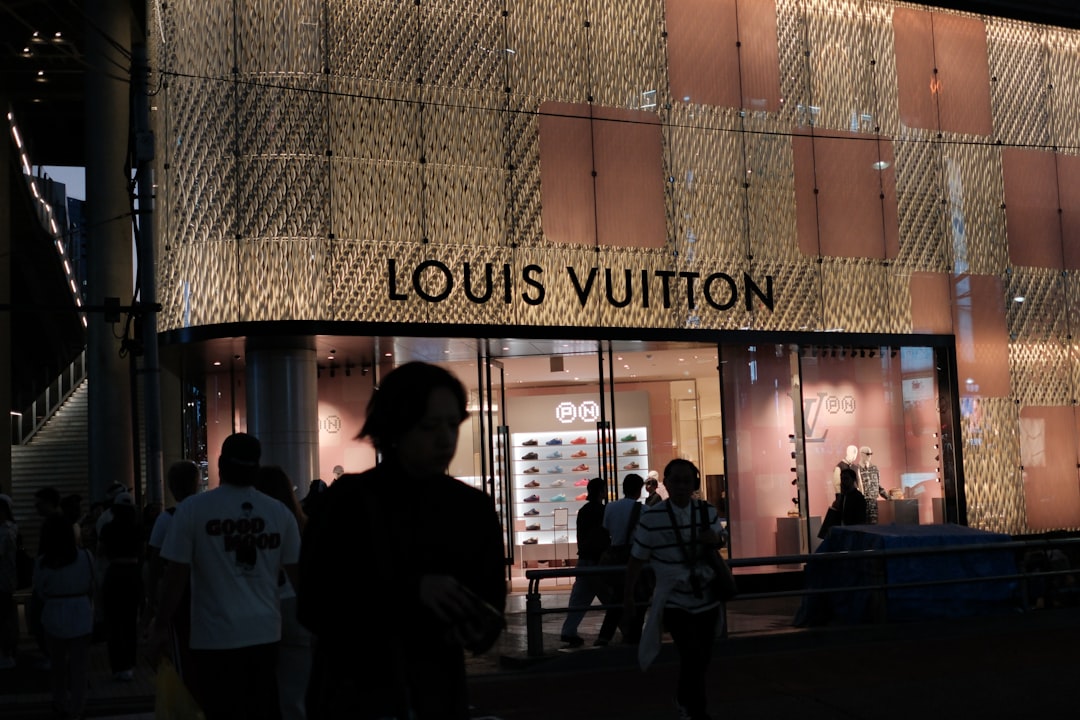
Today, Louis Vuitton sits under LVMH (Moët Hennessy Louis Vuitton), the world’s leading luxury goods group. With annual revenue surpassing €44 billion in 2020, the brand runs over 460 stores in 50 countries. That craftsmanship and innovation are sustained by a workforce of thousands.
The Legacy Continues
Under Nicolas Ghesquière for women’s collections and Virgil Abloh for men’s until his death in 2021, Louis Vuitton has stayed at the front of luxury fashion. Recent work, such as the 2021 Horizon Light-Up speaker, shows its interest in pairing luxury with technology. Sustainability efforts, including reaching full renewable electricity use across its workshops and stores, point to a push toward responsible luxury.
Looking ahead, the brand keeps widening its product lines while holding on to the exclusivity and heritage that have defined it for over a century. Its focus on innovation, sustainability, and craftsmanship sets up the next chapter of growth.
Why It Matters
Louis Vuitton’s long run in the luxury market reflects both its founder’s vision and the brand’s knack for adapting and innovating without losing its heritage. For the connoisseur, Louis Vuitton is more than high-end goods: it carries a rich history of craftsmanship, a commitment to quality, and a lasting mark on the culture of luxury travel and fashion. As it moves forward, the story still resonates with people who appreciate the finer things in life.