Whispers of the Wild: Chimpanzee Trekking in Kibale
Opening Scene
Imagine the first light of dawn breaking through a dense canopy of tropical rainforest, its beams illuminating a mist that swirls and dances among ancient trees. The air is filled with the sounds of the forest waking; birds chirp and call in a symphony of nature, while the distant hoots and calls of chimpanzees begin to echo through the understory. The ground beneath your feet is soft, a carpet of fallen leaves and rich earth, and the air carries the fresh, earthy scent of rain from the night before. As you step deeper into Uganda’s Kibale National Park, your heart races with anticipation. This is not just a journey; it’s an entry into a world few have the privilege to witness.
The Discovery
What sets this experience apart is the profound intimacy of stepping into the chimpanzees’ natural habitat, guided by expert ranger guides from the Uganda Wildlife Authority (UWA). Kibale National Park, often called the “Primate Capital of the World,” is home to over 1,500 chimpanzees, the highest concentration in Uganda, along with 12 other primate species. Tracking groups are kept small (maximum six visitors per session), fostering a sense of exclusivity and connection with the environment. Since 1993, the Kanyanchu chimpanzee community has been intensively habituated to human presence, achieving a remarkable sighting success rate of over 90%. It’s a journey that transcends traditional wildlife viewing: it’s about immersion, understanding, and conservation.
Key Experiences
Chimpanzee Tracking
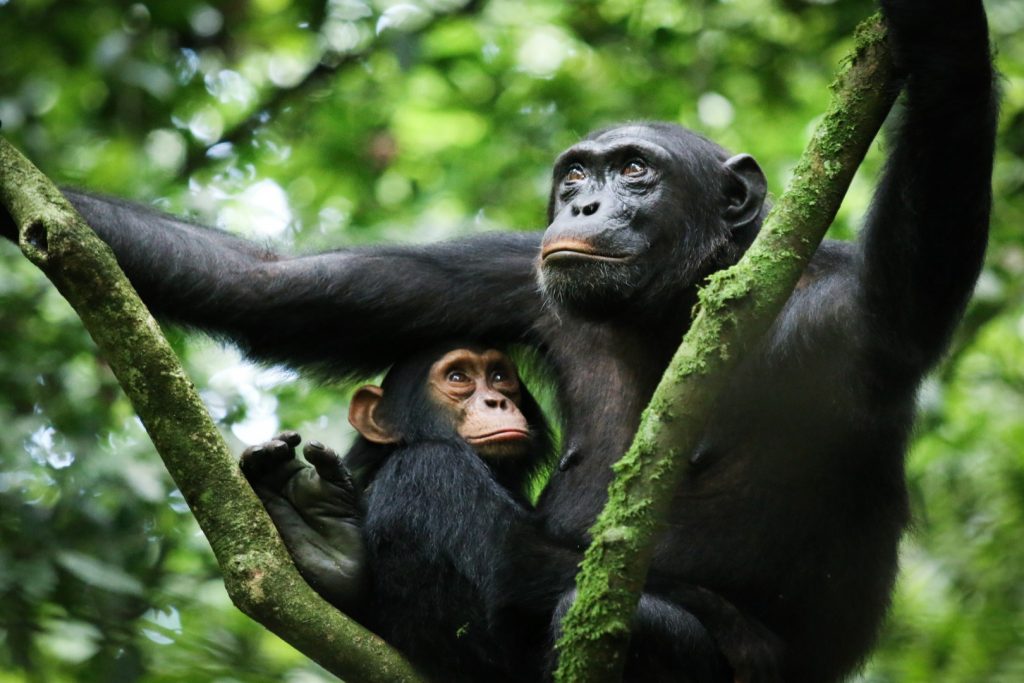
As you follow your UWA ranger guide, a seasoned expert with years of field experience, the soft calls of the chimpanzees grow louder. Suddenly, you spot them: a family group in the midst of their morning routine. Babies cling to their mothers, young ones playfully chase each other, and the dominant male watches over his troop. The chimpanzee tracking permit costs $250 USD (approximately €230) per person for foreign non-residents, which includes one hour with the chimps after locating them. Trek sessions depart daily at 8:00 AM, 11:00 AM, and 2:00 PM from the Kanyanchu Visitor Centre, with the experience lasting 2-4 hours depending on where the chimpanzees are located.
Chimpanzee Habituation Experience
For those seeking deeper immersion, the Chimpanzee Habituation Experience (CHEX) allows visitors to spend an entire day with a semi-habituated community, observing their complete daily cycle from nest to nest. At $300 USD per person, this full-day experience lets you accompany researchers into the forest, learning about chimpanzee behaviors while they collect vital data. You’ll witness morning routines, feeding sessions, social interactions, grooming, and evening nest-building. Only four permits are issued daily, making advance booking essential.
Night Walks and Forest Exploration
Kibale’s night walks reveal a different, nocturnal world. Under the cover of darkness, equipped with powerful torches and accompanied by UWA guides, you’ll search for bushbabies with their large luminous eyes, pottos, nightjars, tree hyrax with their chilling shrieks, and the occasional civet or serval cat. Night walks are arranged through your lodge and typically cost $30-50 per person. During the day, the Bigodi Wetland Sanctuary, managed by the local community organization KAFRED, offers excellent birding and primate watching just 6 kilometers from Kanyanchu.
Insider’s Perspective
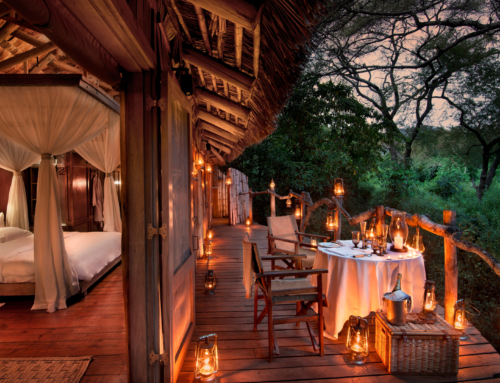
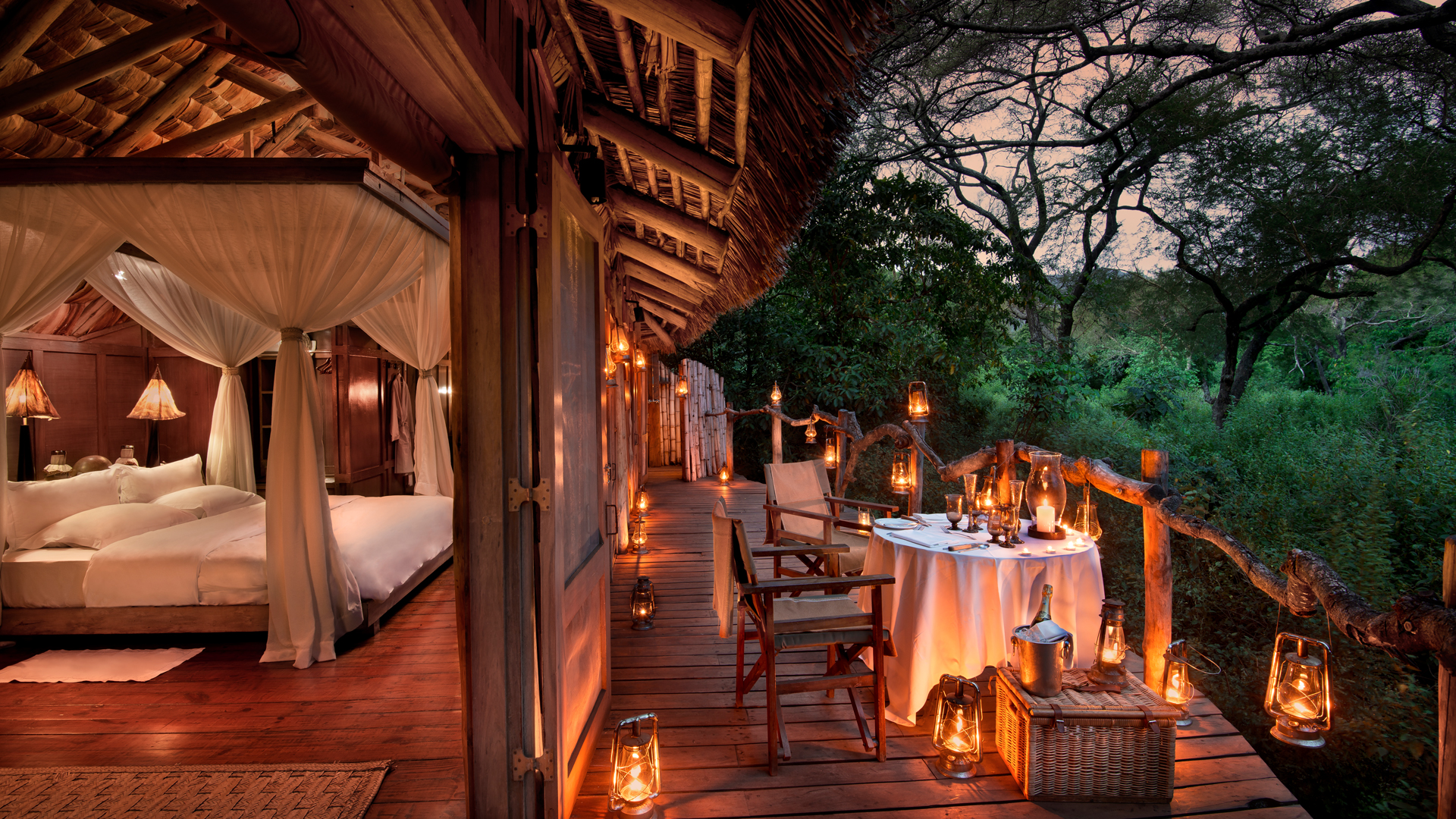
The best time to embark on this adventure is during the dry seasons: June to September and December to February. During these months, trails are more navigable and the chimpanzees are easier to locate as they congregate around reliable food sources. For an immersive experience, book accommodations at Primate Lodge, the only lodge located directly inside the national park, just a 5-minute walk from the chimpanzee tracking starting point. Their Sky Tree House, perched 10 meters above the ground overlooking an elephant meadow, offers stunning views of the forest canopy and occasional visits from colobus monkeys. For luxury seekers, Volcanoes Safaris’ new Kibale Lodge (opened 2024) offers handcrafted bandas with stunning Rwenzori Mountain views.
Practical Wisdom
Booking your chimpanzee tracking permit at least 2-6 months in advance is advisable, especially during peak seasons, as only 56 morning and 36 afternoon permits are issued daily. Work with a reputable Uganda tour operator who can secure permits through the Uganda Wildlife Authority. Budget-wise, expect to spend between $150-400 per night for quality accommodations near the park. Premium lodges like Kyaninga Lodge or Ndali Lodge range from $400-700 per night. When preparing for the trek, lightweight, long-sleeved clothing in neutral colors (green, khaki, brown) and sturdy waterproof hiking boots are essential. Avoid bright colors and blue or black shirts, which attract insects. Bring garden gloves for gripping vegetation, a rain jacket (this is a rainforest!), and insect repellent.
Where to Stay
Primate Lodge Kibale offers 9 luxury cottages, 7 standard cottages, and the unique Sky Tree House, with rates from approximately $200-350 per night including meals. The lodge is solar-powered and committed to environmental conservation. Kyaninga Lodge, perched on the rim of a volcanic crater lake, provides luxury accommodations with spectacular views. Crater Safari Lodge offers excellent value 7 kilometers from the park. For those on a tighter budget, Chimpanzee Forest Guest House near the Kanyanchu Visitor Centre provides comfortable self-contained rooms with views of tea plantations.
Closing Reflection
In the grand blend of travel experiences, chimpanzee tracking in Kibale stands out as a poignant reminder of our connection to the natural world. Sharing 98% of our DNA with these remarkable primates, the encounter challenges, changes, and enriches, leaving an indelible mark on your soul. Beyond the thrill of discovery and the privilege of proximity lies a deeper realization: in their gaze, we see reflections of ourselves, of our shared origins, and of the urgent need to protect these fragile threads that bind us to the earth and to each other. When you purchase a permit, you directly support conservation efforts and local communities, making your adventure both meaningful and impactful.